Spray foam insulation once promised homeowners across the UK an energy-efficient, modern solution for keeping their properties warm and reducing heating bills. But as many in South West England have discovered, what seemed like an upgrade at the time has now turned into a concern, especially when it comes to mortgage approvals, roof ventilation, and long-term structural safety.
This has led to a surge in homeowners asking one crucial question:
Is spray foam insulation removal safe?
The short answer is yes, but only when it’s done properly and professionally. Spray foam insulation removal can be completely safe when handled by experienced experts using the right equipment and safety procedures. However, attempting it yourself or hiring an inexperienced contractor can expose your home, and your health, to unnecessary risks.
In this guide, we’ll break down every angle of safety when it comes to spray foam insulation removal, from the health concerns and potential property risks, to how professionals ensure a safe and thorough job every time.
What is Spray Foam Insulation?
Before we explore safety concerns, it’s important to understand what spray foam insulation actually is, and why it’s caused so many complications in UK homes.
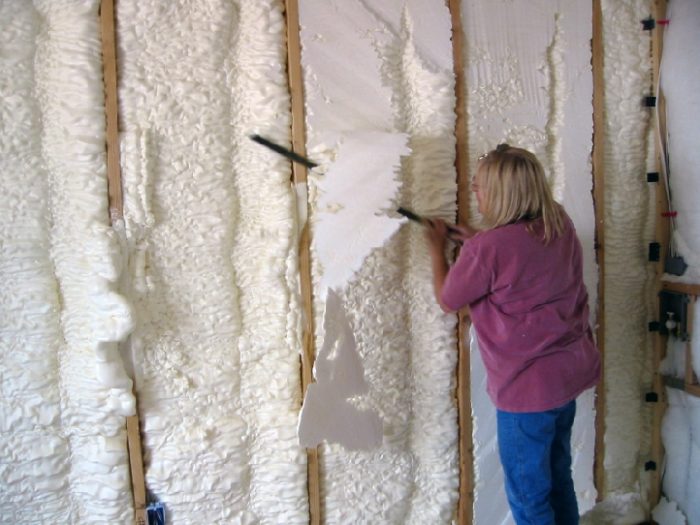
Spray foam is a chemical-based insulation material made from two components: isocyanate and polyol resin. When combined, these chemicals react to form a thick, expanding foam that adheres tightly to surfaces like rafters, roof tiles, and walls. Once cured, it hardens into a solid, air-sealed layer.
The idea behind it is sound: eliminate drafts, boost energy efficiency, and reduce heating costs. But the reality has proven to be more complex, especially for older or traditionally built homes common in South West England.
Open-Cell vs Closed-Cell Foam Explained
Not all spray foam insulation is the same. There are two main types, and both behave differently when it comes to removal and safety.
Open-Cell Spray Foam
-
Soft and spongy texture
-
Allows some air and moisture movement
-
Less dense and easier to remove
-
Often used in walls and interior applications
While open-cell foam offers flexibility, it can still trap moisture and cause hidden dampness or timber rot if ventilation isn’t managed correctly.
Closed-Cell Spray Foam
-
Dense, rigid, and moisture-resistant
-
Creates an airtight and watertight seal
-
Harder to remove and can cause timber compression or damage if applied directly to roof rafters
-
More common in roofs and lofts
Many problems leading to spray foam insulation removal in South West England stem from closed-cell applications. The foam bonds too tightly to roof structures, making inspection, repair, and moisture control nearly impossible.
Why People Are Removing Spray Foam Insulation in South West England?
Over the last few years, removal requests have risen sharply. Homeowners in Cornwall, Devon, Bristol, and Somerset have increasingly turned to professional removal services after facing issues like mortgage rejections, surveyor warnings, or visible signs of roof deterioration.
Let’s see the main reasons behind it.
1. Mortgage and Insurance Complications
Many lenders now refuse to approve mortgages or remortgages on homes with spray foam insulation, especially in the roof.
That’s because surveyors can’t properly inspect the timber underneath, which makes it impossible to assess structural integrity.
Insurers share the same concern: they see hidden damage risk, poor ventilation, and the potential for rot as red flags.
2. Condensation and Damp Problems
Spray foam can block the natural airflow in your roof or loft space. Without ventilation, condensation builds up, leading to mould, damp, and long-term timber decay.
This is particularly problematic in South West England’s damp, coastal climate, where moisture management is crucial.
3. Structural and Roof Timber Issues
When spray foam bonds directly to roof rafters, it prevents the timber from “breathing.” Over time, trapped moisture can compromise structural integrity. In severe cases, foam removal becomes essential to save the roof from further damage.
4. Selling or Renovating the Property
Buyers are increasingly cautious about homes with spray foam insulation. Many estate agents now recommend removal to restore property value and make the home more marketable.
For renovators or landlords, safe removal opens the way for modern, mortgage-friendly insulation options.
Is Spray Foam Insulation Removal Safe in South West England?
So, is the process itself safe for homeowners and property owners in South West England?
Yes, when done by trained professionals using the correct tools, protective gear, and ventilation systems, spray foam insulation removal is a controlled and safe process.
However, DIY removal attempts or poorly executed jobs can lead to:
-
Chemical exposure from disturbed foam
-
Airborne dust and debris affecting indoor air quality
-
Accidental damage to roof structures or electrical components
-
Incomplete removal, leaving behind residues that continue to cause issues
Health and Safety Concerns During Removal of Spray Foam in South West England
One of the biggest misconceptions about spray foam insulation is that once it’s installed and cured, it’s harmless to handle. In reality, when the foam is disturbed or mechanically removed, it can release fine dust particles and residual chemical compounds that should never be inhaled.
1. Chemical Exposure
Spray foam is made from isocyanates, the same reactive chemicals used during installation. Even after curing, disturbing the material through sanding, scraping, or mechanical cutting can release airborne residues.
When inhaled, these can cause:
-
Respiratory irritation or coughing
-
Eye and skin irritation
-
Headaches and dizziness
Over prolonged exposure, these symptoms can escalate, particularly in poorly ventilated lofts and attics typical of older homes in South West England.
2. Air Quality and Ventilation
During removal, airborne dust can quickly fill enclosed spaces. Without proper extraction systems, this dust settles into living areas and HVAC systems, affecting indoor air quality long after the job is done.
That’s why professional teams use industrial-grade extraction and HEPA-filtered vacuums to capture debris as it’s released.
3. Personal Protective Equipment (PPE)
Professionals wear:
-
Full-face respirators
-
Protective coveralls
-
Gloves and safety boots
-
Eye protection
This equipment prevents any direct contact or inhalation of contaminants, something most DIYers overlook.
4. Fire Safety
Spray foam itself isn’t highly flammable once cured, but heat-generating tools or improper disposal of removed material can still pose a fire risk. Trained contractors follow strict fire-safe procedures, including isolating electrical sources and using spark-free cutting tools.
Risks to Property During Removal of Insulation Foam in South West England
Safety doesn’t only concern personal health, the home itself is also at risk if the process isn’t managed carefully.
1. Roof Structure Damage
Spray foam, particularly the closed-cell type, adheres tightly to rafters and roofing felt. Pulling or prying it off without technique can cause:
-
Cracked rafters
-
Torn underlay
-
Dislodged tiles
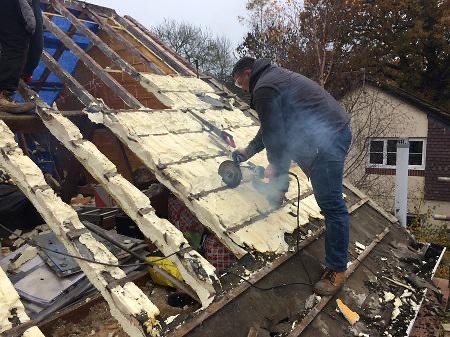
Professional technicians use precision tools and controlled heat or mechanical methods to soften and separate the foam gradually, protecting the underlying structure.
2. Wiring and Electrical Systems
Foam often conceals electrical wiring in lofts. Untrained removal can easily nick cables or damage junction boxes. Professionals perform a pre-removal electrical survey to locate and isolate live circuits, ensuring a hazard-free workspace.
3. Ventilation and Condensation Balance
If sections of foam are left behind or partially removed, ventilation patterns can become uneven, worsening condensation issues instead of resolving them. Full, even removal restores natural airflow, protecting timber and insulation integrity.
4. Structural Inspections Post-Removal
After safe extraction, professionals inspect rafters and joists for moisture damage or decay. Identifying these issues early allows homeowners to repair structural elements before re-insulating, preventing future safety concerns.
DIY vs Professional Spray Foam Insulation Removal in South West England
Let’s be honest, the internet is full of “DIY foam removal” tutorials, but almost all underestimate the complexity and risk involved. Here’s how the two approaches compare:
| Aspect | DIY Removal | Professional Removal |
|---|---|---|
| Safety Equipment | Often limited or inadequate | Certified PPE, extraction systems, and containment |
| Ventilation Control | Usually none | Negative-pressure ventilation to protect indoor air |
| Damage Risk | High — potential harm to roof or wiring | Minimal — controlled technique and experience |
| Waste Handling | Often skipped or done illegally | Fully compliant disposal under UK environmental law |
| Result | Incomplete, messy, and unsafe | Clean, thorough, and mortgage-friendly |
Why DIY Spray Foam Insulation Removal in South West England Is Risky?
-
Spray foam can’t simply be “scraped off.” It bonds deeply with timber, requiring specialist equipment like oscillating tools, industrial scrapers, and controlled-heat systems.
-
Improper handling can damage roof integrity or release toxins into the home.
-
DIY attempts often leave residue behind, causing surveyors to flag the property again, defeating the purpose of removal.
Why Professional Removal Is Safer
Professional removal services like Elite Spray Foam Insulation Removal follow strict safety standards, combining experience with specialised tools to deliver a thorough, safe, and compliant job.
Teams also understand local property structures, from traditional stone cottages in Cornwall to modern loft conversions in Bristol, adjusting techniques accordingly.
How Professionals Safely Remove Spray Foam Insulation in South West England?
To understand what makes professional removal safe in South West England, let’s walk through the typical process step-by-step.
1. Inspection and Risk Assessment
Before any work begins, professionals assess:
-
The type of spray foam (open-cell or closed-cell)
-
Extent of coverage and accessibility
-
Potential timber or moisture issues
-
Electrical wiring and ventilation layouts
This assessment ensures a safe plan that protects both workers and the property.
2. Site Preparation
The workspace is sealed off using protective sheeting and negative-pressure extraction to prevent dust from escaping into living areas. Floors and belongings are covered, and the area is ventilated safely.
3. Mechanical Removal
Professionals use tools designed for precision, oscillating cutters, industrial scrapers, or low-heat softening systems, to separate the foam without damaging the surface beneath.
Each section is removed systematically, avoiding unnecessary strain on rafters or plasterboard.
4. Dust and Debris Extraction
As foam is lifted, high-capacity HEPA vacuums continuously collect particles, keeping the air clean and safe. This step is crucial for maintaining healthy indoor air quality throughout the job.
5. Waste Collection and Disposal
Removed materials are securely bagged and transported to licensed waste facilities in compliance with UK environmental guidelines. This ensures no harmful residue enters landfill improperly.
6. Final Inspection and Clean-Up
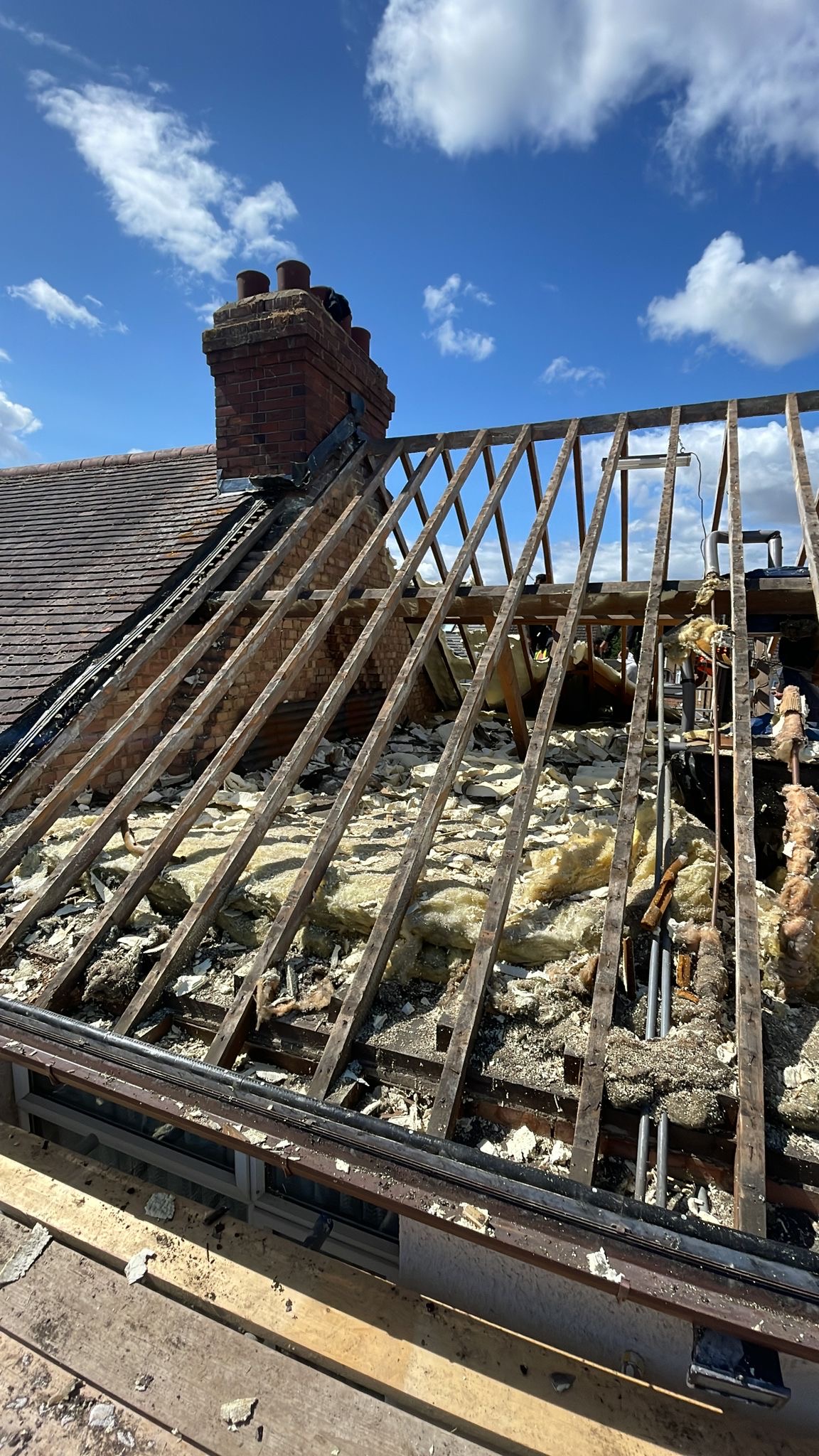
Once the foam is gone, technicians inspect timber and roof structures for signs of hidden damp, mould, or decay. The space is then cleaned, leaving it ready for re-insulation or further inspection.
What Makes Professional Removal Safe and Reliable
-
Trained technicians certified in health and safety compliance
-
Advanced ventilation management to protect occupants
-
Precision tools designed for low-impact removal
-
Insurance and guarantees covering both work and property
-
Adherence to environmental regulations for waste and emissions
Elite Spray Foam Insulation Removal follows these best practices in every project to ensure your home remains safe, clean, and structurally sound throughout the process.
Environmental and Legal Considerations in Spray Foam Insulation Removal
When it comes to home improvements, safety doesn’t end at your front door. What happens to the materials after removal matters just as much — especially in an era where environmental responsibility and sustainability are front of mind for many South West homeowners.
1. Safe Disposal of Spray Foam Waste
Spray foam insulation isn’t a material that can simply be thrown away with standard household rubbish.
Because it contains chemical compounds that can be harmful if mishandled, removed foam must be disposed of as controlled waste under UK environmental law.
Professional removal companies work with licensed waste carriers who transport the material to approved recycling or disposal facilities, ensuring:
-
No contamination of soil or waterways
-
Compliance with the Environmental Protection Act 1990
-
Full traceability via waste transfer notes (important if a future survey or buyer requests documentation)
By using a certified removal company like Elite Spray Foam Insulation Removal, homeowners can rest assured the process is both safe and environmentally responsible.
2. Air Quality and Environmental Safety
Proper ventilation management during removal is vital not only for human health but also for the wider environment. Professionals use negative air machines with HEPA filtration to capture airborne dust before it escapes into the atmosphere — reducing the risk of contamination and protecting the local environment.
3. Compliance with UK Building and Safety Regulations
Professional contractors adhere to regulations including:
-
Control of Substances Hazardous to Health (COSHH)
-
Construction (Design and Management) Regulations 2015
-
Environmental Protection (Duty of Care) Regulations 1991
This ensures the removal is not just safe for you but legally compliant — a key consideration if you’re selling or renovating your property.
What Happens After Spray Foam Removal?
Once the foam is safely removed, homeowners often ask: “What next?”
The removal itself is only part of the journey toward a safer, healthier, and more mortgageable home.
1. Post-Removal Inspection
A detailed inspection follows to ensure:
-
All foam residues are completely gone
-
Timber and roof structures are sound
-
No signs of lingering damp, rot, or mould
-
Adequate ventilation has been restored
This inspection is often what reassures surveyors and lenders, helping your home become mortgage-eligible again.
2. Re-Insulation Options
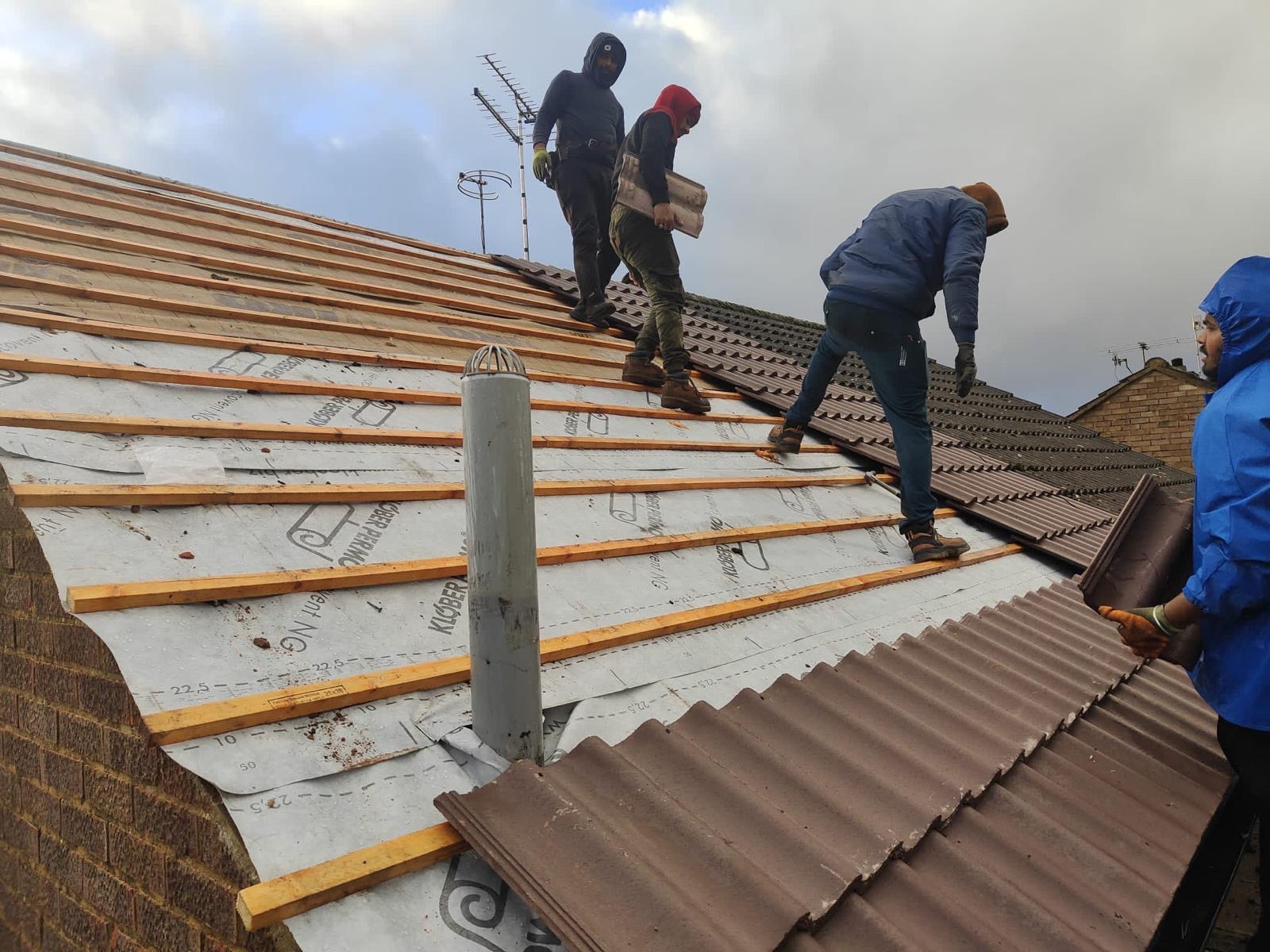
After foam removal, you’ll need to decide on a replacement insulation. Safer, eco-friendly options include:
-
Mineral wool – Breathable, fire-resistant, and affordable
-
Sheep’s wool insulation – Popular in rural South West areas for sustainability
-
Blown cellulose – Made from recycled paper and ideal for lofts
These alternatives allow your home to “breathe” naturally, preventing the trapped moisture problems that often led to spray foam issues in the first place.
3. Improving Long-Term Safety and Efficiency
A properly re-insulated home after spray foam removal can actually be safer and more energy-efficient than before. The key is professional installation, correct ventilation, and regular inspection — ensuring the building envelope works with the environment, not against it.
Common Myths About Spray Foam Insulation Removal Safety
There’s a lot of misinformation circulating online — from DIY tutorials to misleading marketing claims. Let’s set the record straight on some of the most common myths.
Myth 1: Spray Foam Removal Is Dangerous and Should Be Avoided
Not true.
While it’s not something to take lightly, professional removal is perfectly safe when done by certified experts. The danger lies in improper, unregulated removal — not in the process itself.
Myth 2: Leaving the Foam Alone Is Safer
Many homeowners assume it’s better to leave existing spray foam untouched. But if the foam has caused moisture, rot, or ventilation blockages, inaction can lead to far greater structural damage.
In most cases, safe removal prevents long-term issues that would otherwise compromise your roof or property value.
Myth 3: All Spray Foam Is the Same
Some installers claim “eco” or “open-cell” foams don’t cause problems — but even open-cell foam can lead to mortgage refusals and damp concerns if applied in the wrong area. Every property is different, and even the “safe” foams can become an issue if installed poorly.
Myth 4: Removal Will Damage the Roof
Professional removal is designed to protect, not harm, your roof.
Experts use controlled mechanical methods that gently separate the foam from rafters and timbers. In fact, by exposing the wood again, removal allows for proper inspection and restoration — something that’s impossible while foam is in place.
Myth 5: It’s Cheaper and Easier to Do It Yourself
While DIY might seem like a cost-saving option, it often leads to higher expenses later due to property damage, incomplete removal, or health complications.
Professional removal ensures the job is done right first time, avoiding repeat work or rejected surveys.
The South West England Perspective
South West England has its own unique building challenges and environmental factors that make safe spray foam insulation removal even more important.
1. Damp, Coastal Climate
From the salty sea air in Cornwall and Devon to the humid conditions in Bristol and Somerset, the South West’s climate creates the perfect environment for condensation and timber decay.
When spray foam blocks airflow, these natural conditions accelerate deterioration. That’s why proper ventilation and inspection after removal are essential.
2. Older Properties and Traditional Roofs
Many homes in the region feature:
-
Timber-framed roofs
-
Thatched or slate coverings
-
Loft conversions added to older structures
These designs weren’t made for airtight, moisture-trapping materials like closed-cell foam. Professional removal respects the property’s heritage and construction style, using techniques tailored for older homes.
3. Local Regulations and Surveyor Expectations
Surveyors across the South West are now very familiar with spray foam issues. Many will automatically flag its presence in a property report.
Removing the foam safely and obtaining proof of professional work can make all the difference in securing mortgage approval or property resale.
4. Supporting Local Expertise
Working with a company based in South West England, like Elite Spray Foam Insulation Removal, ensures:
-
Local building knowledge
-
Familiarity with regional property types
-
Compliance with area-specific environmental standards
-
Faster response times and ongoing local support
You’re not just hiring a contractor, you’re partnering with local specialists who understand the exact challenges your property faces.
Questions to Ask Before Hiring a Spray Foam Insulation Removal Company
Not all spray foam insulation removal companies are the same — and when safety is on the line, asking the right questions before hiring can make all the difference.
Here’s what every South West homeowner should find out before signing a contract:
1. Are You Fully Insured and Certified?
Reputable companies carry public liability and professional indemnity insurance, and their technicians are trained under Health & Safety Executive (HSE) and COSHH guidelines.
Always ask for proof of certification — a trustworthy contractor won’t hesitate to show it.
2. What Equipment and Safety Measures Do You Use?
A professional team should use:
-
HEPA-filtered extraction systems
-
Negative-pressure ventilation units
-
Full PPE gear
-
Specialised removal tools (oscillating cutters, industrial scrapers, or controlled heat systems)
These ensure safe working conditions and prevent contamination of the rest of your home.
3. How Do You Handle Waste and Disposal?
Insist on licensed waste disposal — this protects both the environment and your legal standing as a homeowner.
Ask to see a waste transfer note for peace of mind.
4. Will You Provide a Post-Removal Report?
A written report with before-and-after photos and a completion certificate is invaluable.
It shows surveyors and mortgage lenders that the spray foam was professionally and safely removed, restoring the property’s eligibility for finance.
5. What Experience Do You Have with Local Properties?
A local company familiar with South West homes will understand:
-
The common roof types in the region (slate, timber, thatched, etc.)
-
The damp-prone conditions typical of the area
-
How to adjust removal techniques to suit heritage or listed buildings
Choosing local expertise ensures the safest, most efficient outcome.
Why Choose Elite Spray Foam Insulation Removal
When it comes to safe, professional spray foam insulation removal in South West England, Elite Spray Foam Insulation Removal stands out for its experience, care, and proven results.
Here’s why homeowners and property professionals across the region trust Elite:
1. Local Knowledge, Local Trust
Based in South West England, Elite understands the area’s unique climate, building styles, and property challenges.
Whether it’s a thatched cottage in Devon or a loft conversion in Bristol, the team knows how to approach removal safely, efficiently, and with minimal disruption.
2. Safety-First Approach
Every project follows a strict safety framework:
-
Full site inspection and risk assessment
-
Containment and ventilation setup
-
PPE compliance for all technicians
-
Continuous air-quality monitoring during removal
Homeowners can stay confident that every stage of the process prioritises health, safety, and property protection.
3. Environmentally Responsible Practices
Elite partners with licensed waste facilities to dispose of insulation materials responsibly.
Nothing is left to chance — from safe transport to eco-conscious disposal, the company ensures all materials are handled in line with UK environmental regulations.
4. Clear Communication and Transparency
Elite’s team explains every step of the process before work begins, including:
-
The tools and techniques used
-
Expected timeframes
-
Potential findings during removal
-
Aftercare recommendations
This transparency builds trust and helps homeowners feel in control throughout.
5. Helping Restore Property Value and Mortgage Approval
Elite doesn’t just remove foam — they help you restore your property’s financial and structural health.
After removal, homeowners receive documentation that reassures surveyors, lenders, and future buyers that the home is safe, breathable, and mortgage-ready.
Tips for a Smooth, Safe Spray Foam Removal Experience
To make sure your removal goes as smoothly and safely as possible:
-
Prepare Your Loft or Roof Space
Remove personal items and ensure easy access for technicians. -
Ask About Ventilation Setup
Confirm the company uses containment sheeting and negative air systems. -
Stay Out of the Workspace
During removal, avoid entering the loft or affected area — even with PPE. -
Plan Re-Insulation Early
Discuss alternative insulation solutions in advance to prevent delays. -
Keep Documentation Safe
Your removal certificate and waste disposal records are valuable when selling or refinancing your home.
After exploring every angle — health, structural, environmental, and legal — one conclusion is clear:
Yes, spray foam insulation removal is completely safe when carried out by professionals using the correct methods and equipment.
However, it becomes unsafe and risky when attempted as a DIY job or by inexperienced contractors. The foam’s chemical composition, its bond with structural materials, and the confined spaces involved all demand specialist handling.
Here’s what makes professional removal safe:
-
Trained technicians following COSHH and HSE guidelines
-
Use of industrial-grade ventilation and dust extraction
-
Careful, non-destructive removal methods
-
Full post-removal inspection and certification
-
Responsible waste disposal under UK law
And here’s what makes it worth doing:
-
Restores mortgage eligibility and property value
-
Prevents hidden damp and structural decay
-
Improves indoor air quality and energy efficiency
-
Gives you peace of mind that your home is safe and compliant
A Message to Homeowners Across South West England
If your home has spray foam insulation — or you’re unsure whether it does — don’t panic. The first step is simply getting professional advice.
The team at Elite Spray Foam Insulation Removal can inspect your property, explain your options, and provide a clear plan for safe removal if needed. Every project is handled with care, precision, and full respect for your home’s structure and safety.
Your property is one of your biggest investments — don’t risk it with shortcuts or guesswork.
With the right experts, spray foam insulation removal isn’t just safe — it’s one of the best decisions you can make for your home’s long-term health and value.
Spray foam insulation removal, when done professionally, is a safe, effective, and responsible process that restores your property’s integrity and peace of mind.
From the health and safety of your family to the structural wellbeing of your roof, every benefit points toward one clear truth — professional expertise makes all the difference.
For homeowners in South West England, Elite Spray Foam Insulation Removal offers the knowledge, tools, and trust needed to get the job done right — safely, cleanly, and with lasting results.