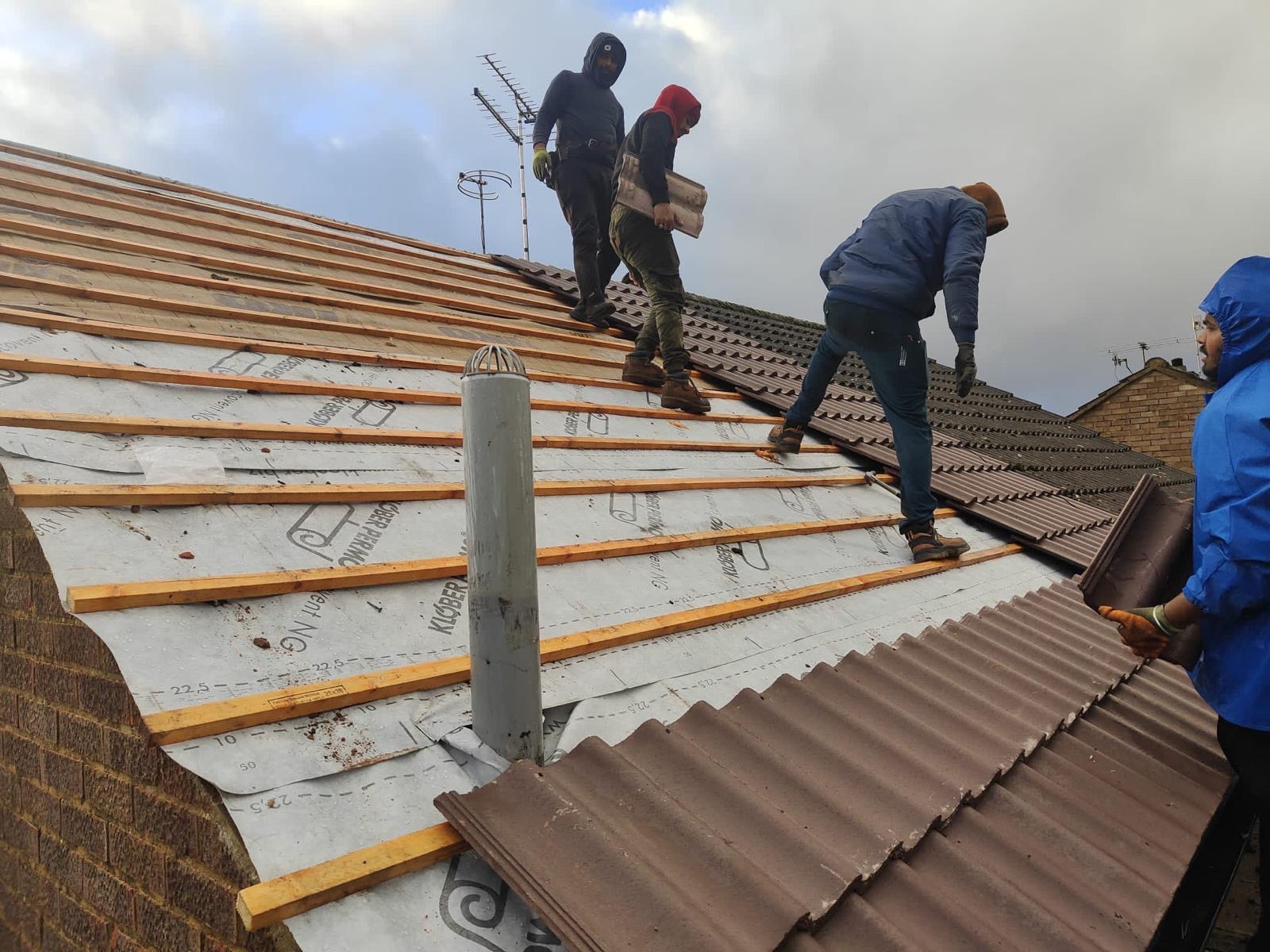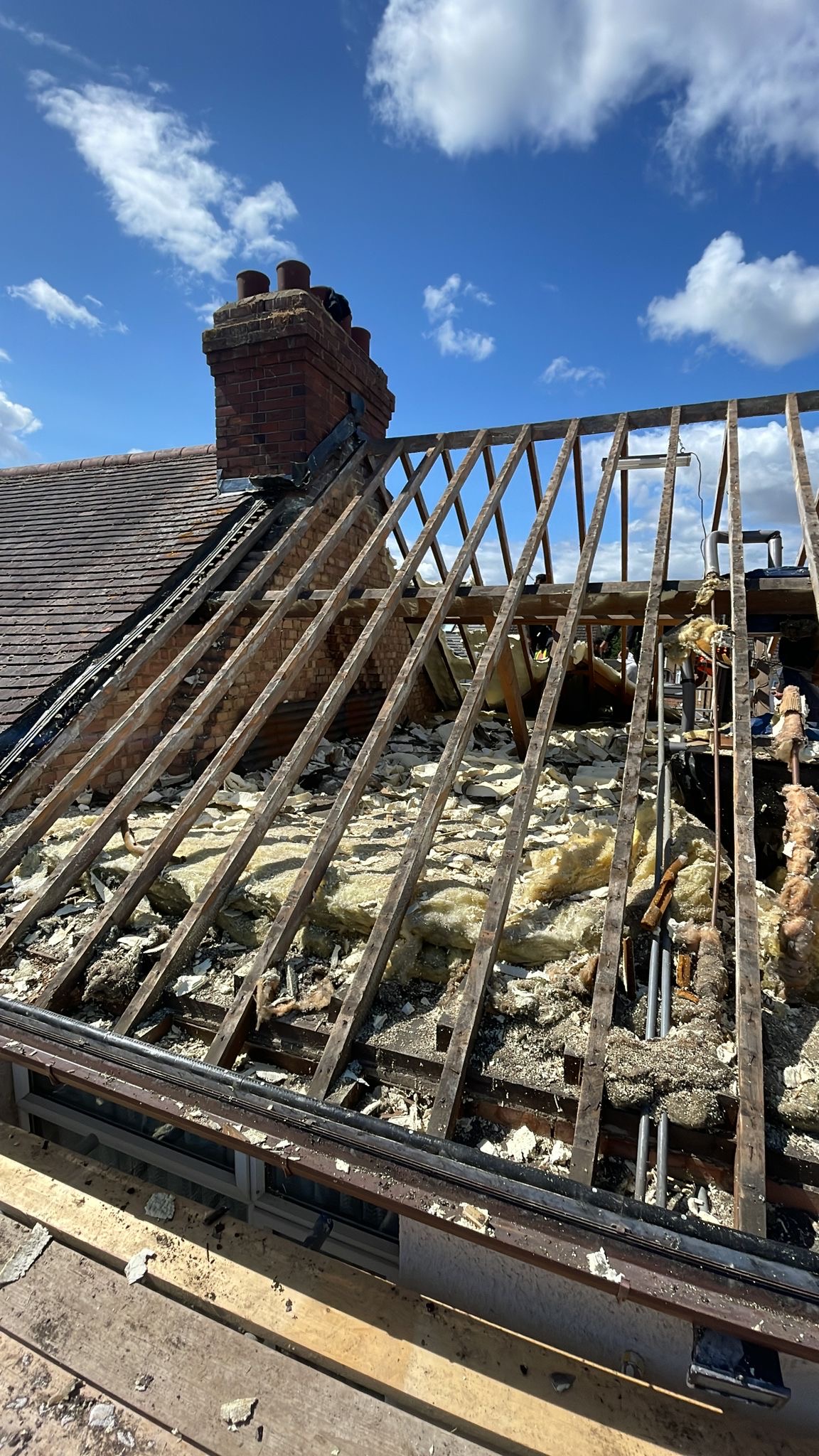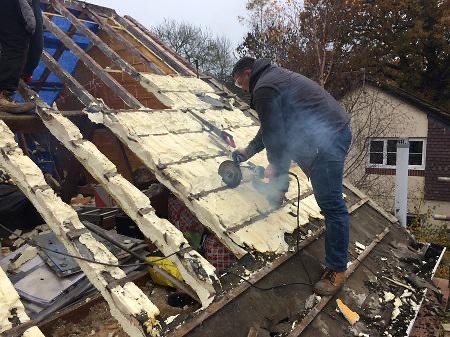
If you’ve recently had spray foam insulation removed, you’re probably wondering what comes next. Choosing the right replacement insulation can make a big difference to your home’s comfort, energy efficiency, and even its mortgageability.
For homeowners across South West England, two of the most common options are spray foam (if properly applied and ventilated) and mineral wool. But which is better suited for your property, especially after a spray foam removal? Let’s explore both options in detail so you can make an informed choice.
Spray Foam Insulation
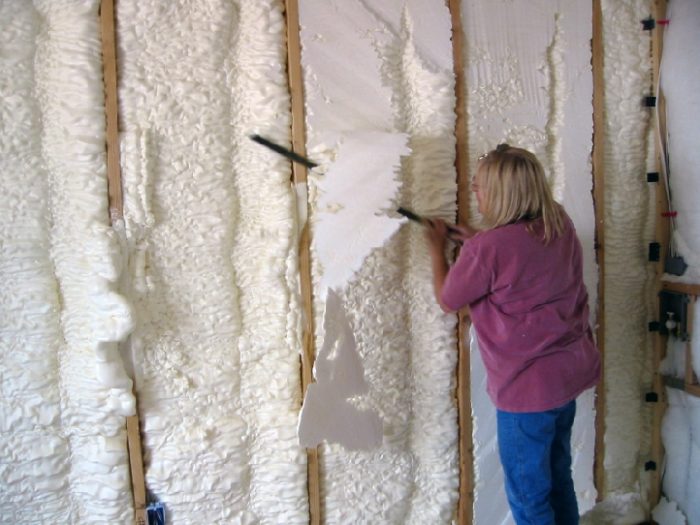
Spray foam insulation is a chemical-based material that expands rapidly once applied, creating a dense, airtight barrier that fills every crack and gap. It’s praised for its strong insulating power and ability to block out draughts, but it also comes with a few important caveats that every homeowner should know.
Spray foam is often used in lofts, attics, roof linings, and cavity walls, particularly in older homes across Somerset, Dorset, and Devon where heat loss is a common problem. However, many South West homeowners have learned the hard way that improper installation or the use of closed-cell foam in timber roofs can trap moisture, leading to condensation, rot, and serious structural damage.
What’s more, most mortgage lenders and surveyors in the UK now view spray foam insulation as a risk factor, often refusing loans or devaluing properties until the foam is removed and replaced with a more breathable alternative. That’s why so many property owners turn to Elite Spray Foam Insulation Removal, to safely remove the foam and restore their home’s health, ventilation, and value.
There are two main types of spray foam commonly used in UK properties:
Open-cell spray foam
This version has a lighter, sponge-like texture. It expands more dramatically when applied, allowing some air and moisture movement through the material. Open-cell foam is typically used in interior walls and ceilings for soundproofing and moderate insulation.
Closed-cell spray foam
This is much denser and more rigid. It forms a hard shell once cured and is excellent at keeping moisture and air out. Closed-cell foam provides a very high insulation value but can completely seal off the natural ventilation your roof space needs to “breathe.”
Mineral Wool Insulation
Mineral wool insulation, also known as rock wool or glass wool, is one of the UK’s most trusted and time-tested insulation materials. It’s made by melting down natural stone (like basalt) or recycled glass, then spinning it into fine fibres that form a soft, wool-like texture.
Unlike spray foam, mineral wool is a naturally breathable material. It allows air to move freely through the roof space, helping prevent condensation and maintaining a dry, healthy environment, especially important for traditional South West properties with timber beams and slate roofs.
Mineral wool insulation is available in rolls, batts, or slabs, making it easy to install between rafters, joists, or cavity walls. It can be layered to achieve excellent thermal performance, helping keep your home warm in winter and cool in summer without sealing in moisture.
For homeowners across Bath, Taunton, Yeovil, Bridgwater, and Weston-super-Mare, mineral wool provides a safe, breathable, and mortgage-friendly solution after spray foam insulation removal, giving you peace of mind and comfort all year round.
Beyond temperature control, mineral wool offers several key benefits:
✅ Fire resistance: It can withstand extremely high temperatures, offering valuable protection for your home.
✅ Sound insulation: It absorbs noise effectively, ideal for busy areas or semi-detached homes.
✅ Eco-friendliness: Often made from recycled materials and fully recyclable itself, making it a sustainable choice for environmentally conscious homeowners.
✅ Low maintenance: Once installed, it lasts for decades with minimal upkeep or risk of deterioration.
Spray Foam vs. Mineral Wool – Key Comparison
| Feature | Spray Foam | Mineral Wool |
|---|---|---|
| Air Seal | Excellent | Requires air barrier |
| Moisture Resistance | Can trap moisture if sealed improperly | Naturally moisture-resistant |
| Fire Resistance | Flammable unless treated | Naturally fire-resistant |
| Sound Insulation | Moderate | Excellent |
| Eco-Friendliness | Petroleum-based | Made from natural/recycled materials |
| Removal Concerns | Hard to remove, may cause damage | Easy to install and replace |
| Mortgage-Friendly | Often problematic | Widely accepted |
The Key Differences
Here’s how spray foam and mineral wool stack up in the main areas that matter most:
1. Breathability and Ventilation
One of the biggest problems with spray foam is that it can trap moisture, especially in traditional roofs common across Somerset, Dorset, and Devon. This trapped damp can damage roof timbers over time.
Mineral wool, on the other hand, allows air to circulate, helping your roof space stay dry and healthy.
2. Mortgage and Surveyor Concerns
Many UK lenders now refuse mortgages or remortgages on properties with spray foam insulation, due to hidden moisture risks.
After removal, switching to mineral wool is often the safest route to restore mortgage eligibility and reassure future buyers.
3. Energy Efficiency
Both materials perform well, but in different ways. Spray foam provides excellent airtightness, while mineral wool delivers consistent thermal insulation without sealing off airflow.
For older South West homes, mineral wool often works better alongside existing ventilation systems and traditional roof structures.
4. Installation and Maintenance
Spray foam must be applied by a qualified installer using specialist equipment, and removal is complex if issues arise later.
Mineral wool is simple to install and replace, requiring no chemical process and minimal disruption.
5. Environmental Impact
Mineral wool is made from recycled materials and is fully recyclable, while spray foam contains petrochemicals that make disposal more challenging.
For eco-conscious homeowners across Cornwall, Wiltshire, and beyond, mineral wool offers a more sustainable choice.
6. Cost and Longevity
Spray foam is more expensive upfront and can lead to extra costs if it causes structural or mortgage problems later.
Mineral wool is far more cost-effective, easy to maintain, and can last for decades when kept dry.
Why Mineral Wool May Be the Better Choice After Spray Foam Removal
If you’re replacing spray foam due to mortgage, ventilation, or moisture issues, mineral wool could be the perfect solution:
- Mortgage-Friendly
Many UK lenders and surveyors flag spray foam insulation,especially in roof spaces. Mineral wool doesn’t carry this stigma and is generally accepted across all mortgage and home sale processes.
- Improved Breathability
One of spray foam’s biggest drawbacks is its tendency to over-seal the property, leading to trapped moisture and timber decay. Mineral wool allows your home to breathe naturally, reducing the risk of condensation and structural damage.
- Non-Toxic and Safe
Unlike some types of spray foam, mineral wool doesn’t off-gas harmful chemicals, making it a healthier choice for you and your family.
- Simple to Replace and Upgrade
If you need to access wiring, plumbing, or other systems in the future, mineral wool is easy to lift and reinstall, unlike rigid or sprayed-in insulation.
When Might Spray Foam Still Be Right?
Spray foam may still be appropriate for certain applications (like walls or under floors), if it’s installed correctly and your property is well-ventilated. However, if you’ve already removed foam due to complications, returning to it could repeat the same issues.
If you’re looking for an insulation solution that’s safe, mortgage-compliant, and long-lasting after spray foam removal, mineral wool is the superior choice for most homeowners.
It delivers great thermal performance, fire safety, and soundproofing, without the risks and complications associated with spray foam.
Expert Tip: Always Insulate After Removal
Leaving your loft uninsulated after spray foam removal can cause heat loss and higher energy bills. Once the space has been professionally cleared and inspected, plan your new insulation installation as soon as possible, ideally with advice from a trusted specialist.
Choosing between spray foam and mineral wool after insulation removal isn’t just about energy efficiency, it’s about protecting your property, preserving its value, and ensuring long-term comfort.
For most homeowners across South West England, mineral wool is the clear winner: breathable, affordable, mortgage-safe, and environmentally friendly.
If you’re unsure which option is right for your property, our experts at Elite Spray Foam Insulation Removal are here to help. We’ll inspect your loft, guide you through the options, and recommend the best insulation solution for your home’s structure and local climate.