
Spray Foam Insulation Heat Problems are becoming a real concern for UK homeowners who expected better comfort after insulation upgrades. Instead, many are finding their lofts hotter, bedrooms harder to cool, and overall indoor temperatures rising during summer.
This issue often shows up after attic insulation work, especially where closed cell spray foam has been used without proper ventilation planning. It changes how heat moves through your roof space. In some homes it traps heat instead of managing it. At Elite Spray Foam Insulation Removal, we see this pattern often. Homes that once felt stable in temperature suddenly struggle in warmer months after installation.
Spray Foam Insulation Heat Problems and why homes overheat
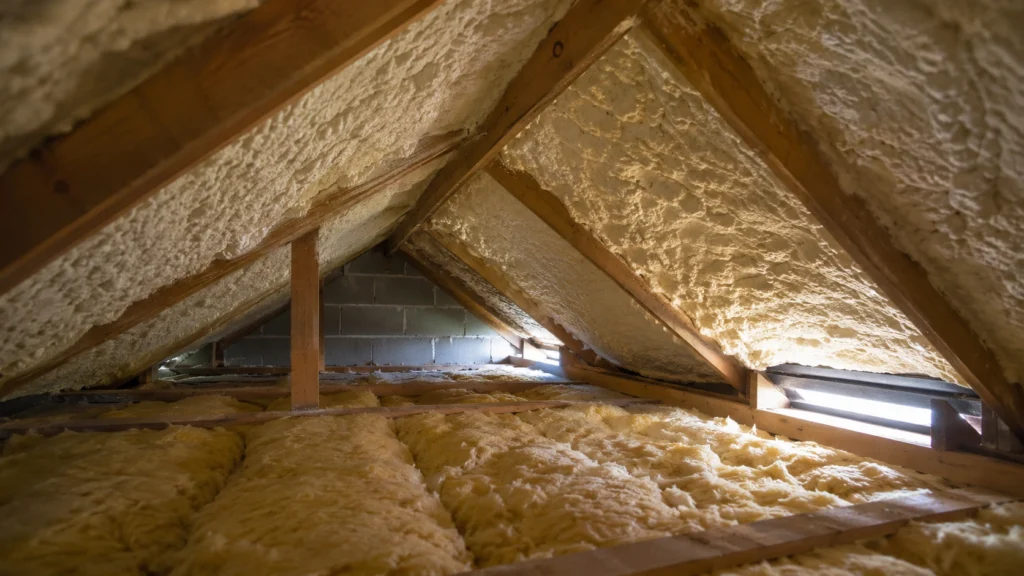
Spray Foam Insulation Heat Problems usually start with how the material behaves. Spray foam expands and seals roof timbers tightly. That air sealing effect reduces draughts, which sounds good at first. The issue appears when heat has nowhere to escape. Roof spaces absorb solar gain during summer. Without airflow, that heat stays trapped above your living areas.
Many homeowners notice this as attic heat trapped by foam insulation spreading into upstairs rooms. Bedrooms become uncomfortable even at night. Loft spaces feel unusually warm for long periods. This is one of the most common spray foam insulation overheating issues reported in UK properties.
Does spray foam make house hotter in summer
Does spray foam make a house hotter in summer is a question we hear regularly from landlords and buyers. The answer depends on installation quality and roof design. In many cases, yes, internal temperatures increase during peak summer months.
Spray foam insulation heat retention problem occurs when:
Roof ventilation is blocked
Timber roof structures are fully sealed
Heat cannot escape through soffits or ridge vents
Closed cell spray foam temperature control can work in controlled environments. But in older UK housing stock, it often disrupts natural airflow paths. That airflow disruption is where spray foam insulation heat problems begin.
Spray foam insulation ventilation issues in loft spaces
Spray foam insulation ventilation issues are one of the biggest technical problems in retrofitted roofs. Traditional lofts rely on passive airflow. Air enters through eaves and exits through roof vents. That movement keeps temperatures stable. Spray foam changes this system. It seals gaps that were originally part of the building’s ventilation design.
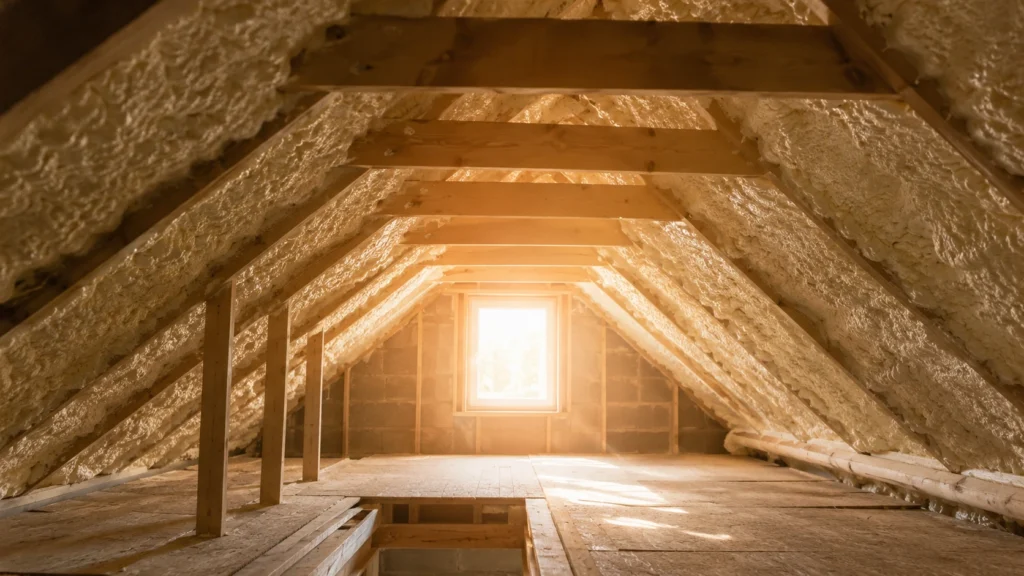
Once that happens, attic spray foam insulation heat buildup becomes more noticeable in summer months. Heat rises, gets trapped, and stays in the structure longer than it should. This can also increase strain on cooling systems. HVAC units work harder to maintain normal indoor temperatures.
Why is my house hot after spray foam installation
Why is my house hot after spray foam is often linked to thermal imbalance in the roof.
Spray foam insulation thermal resistance is high, which helps in winter. But in summer, that same resistance slows heat escape.,This leads to home overheating after insulation upgrade situations where homeowners did not experience the issue before installation.
Other contributing factors include:
- Poor roof ventilation design
- Overapplication of foam depth
- Lack of breathable air pathways
Spray foam insulation HVAC efficiency impact also becomes clear. Cooling systems cycle longer and consume more energy trying to stabilise indoor temperatures.
Spray foam insulation energy efficiency summer performance
Spray foam insulation energy efficiency summer performance is often misunderstood. It reduces air leakage, which improves heat retention in winter. But in hot weather, that same sealing effect can work against comfort.
Insulation trapping heat in homes becomes a visible issue during heatwaves. Upper floors remain warm even at night. Some properties also experience spray foam insulation humidity and heat buildup. Moisture becomes harder to regulate when ventilation is restricted. This combination leads to long lasting discomfort, especially in loft converted homes.
Spray foam insulation vs fiberglass heat control
Spray foam insulation vs fiberglass heat control is not a simple comparison.
Fiberglass allows airflow through the structure. It does not seal the roof space completely. This helps excess heat escape more naturally. Spray foam seals tightly. That improves energy efficiency in winter but can worsen summer comfort if ventilation is compromised. Best insulation for hot climates often depends on breathable materials and designed airflow systems rather than full sealing. For many UK homes, fiberglass or hybrid insulation systems provide more balanced temperature control.
Air sealing and indoor heat problems
Air sealing and indoor heat problems often appear together after spray foam installation.
Air sealing reduces draughts. That improves comfort in colder months. But it also reduces natural cooling effects in summer. When combined with poor roof ventilation, this creates a cycle of trapped heat. Reducing heat with spray foam insulation requires careful design, not just material application. Without that, the insulation works against seasonal comfort.
Spray foam roof insulation problems in UK properties
Spray foam roof insulation problems are increasingly linked to property sales issues in the UK.
Surveyors often flag foam insulated roofs during valuations. Mortgage lenders sometimes request removal or detailed inspection reports. This is where property owners face practical challenges. A well insulated roof on paper may still create buyer hesitation due to thermal and structural uncertainty.
Government guidance on insulation and building performance can be reviewed here
UK Government Building Regulations Overview
Understanding compliance and ventilation requirements is key before any insulation work is carried out.
Professional spray foam insulation removal solutions
When spray foam insulation heat problems become persistent, removal is often the only long term solution. Elite Spray Foam Insulation Removal focuses on safe extraction methods that protect roof timbers and restore ventilation pathways.
Our approach includes:
- Careful assessment of roof structure
- Controlled removal without timber damage
- Restoring airflow routes in loft spaces
- Preparing roofs for resale or refinance inspections
Spray foam insulation heat problems do not improve on their own. Once ventilation is compromised, professional intervention is usually required.
CTA services for UK homeowners
If you are dealing with overheating issues or mortgage complications, specific services are available depending on your situation.
Spray Foam Removal Service for full roof restoration
Loft Inspection Service for thermal and structural assessment
Mortgage Compliance Reports for property sales support
More details available at
https://elitesprayfoaminsulationremoval.co.uk/
FAQ‘s
Why is my house hotter after spray foam insulation?
Because spray foam reduces airflow in the roof space. Heat gets trapped instead of escaping naturally during warm months.
Does spray foam insulation cause overheating issues in summer?
Yes in many cases, especially where roof ventilation was blocked during installation.
Can spray foam insulation affect loft temperature?
Yes. Loft spaces often become significantly warmer due to trapped solar heat in roof structures.
Is spray foam insulation bad for summer comfort?
It depends on ventilation design. Poorly planned installations can reduce comfort in hot weather.
Can removing spray foam reduce heat problems?
Yes. Removing foam and restoring ventilation often improves temperature balance in upper floors.
Does spray foam insulation affect house resale value?
It can. Some lenders and surveyors request removal or further inspection before approving mortgages.
What insulation works better for hot UK summers?
Breathable systems like fiberglass with proper ventilation often perform better in mixed UK climates.