
Spray foam removal roof damage is not something to put off. Once foam is fixed to the underside of a roof, it can hide leaks, trap moisture, and make a simple roof problem much harder to spot. That is why surveyors, lenders, and sensible homeowners treat it as a real risk, not a cosmetic issue.
Why spray foam removal roof damage starts quietly
A loft or roof space is meant to breathe. RICS says many pitched roofs are designed around ventilation and moisture balance, and that retrospective spray foam changes the way the roof was meant to perform. It can turn a cold roof into a warm roof, seal in moisture, and create moisture damage if the original design is not checked first.
That is where spray foam removal roof damage begins. Not with a collapsed roof. With small, hidden issues. Condensation builds. Timber stays damp. A leak that should have been obvious becomes hard to see because the foam covers the rafters and boards. RICS also warns that if a leak sits behind some types of spray foam, you may not notice it until timber starts to rot.
The warning signs most people miss
A loft can look fine from the hatch and still be in trouble. Musty smells, dark staining, damp patches, cold spots, and mould under spray foam insulation are all signs that moisture is staying where it should not. If the foam is hiding the roof deck, the underlay, or the rafters, you lose the chance to catch damage early. That is a straight path to roof rot caused by insulation and roof moisture damage repair work later on.
Closed cell spray foam issues can be harsher. The material is rigid and can press hard against timber, while open cell spray foam removal is often needed where the foam has trapped moisture or where the roof needs proper inspection. Either way, the issue is the same. You cannot manage roof structure damage prevention if you cannot see the structure.
How spray foam removal roof damage affects mortgages and sales
This is the part that catches people out. The roof may still be standing, but the sale can fall apart. The UK government’s consumer protection review noted that lenders have been unwilling to finance homes with spray foam and that surveying and professional bodies were working on protocols to give lenders more confidence. That tells you how serious the market treats the issue.
RICS is just as direct. Its consumer guide says homeowners should check with their mortgage provider and insurance provider before installation, and it warns that spray foam can hide roof problems from view. That is why a spray foam roof inspection matters before you try to sell, remortgage, or release equity.
If you are selling a property, spray foam removal roof damage can become a valuation problem fast. Surveyors want to see the timber, check ventilation, and understand whether the roof was altered in a way that changed its design. If they cannot do that, the lender may pull back or ask for more reports. That is where many sellers lose time and money.
Safe spray foam insulation removal without making the roof worse
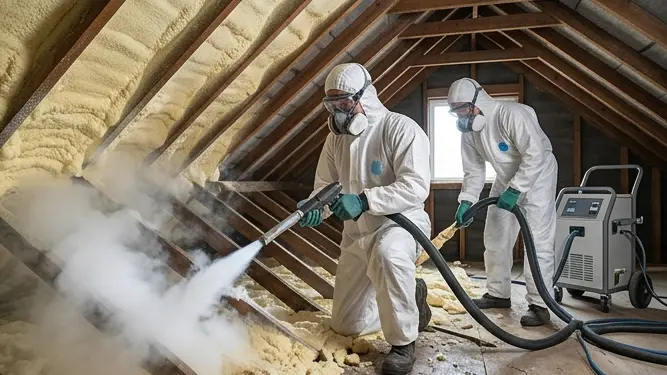
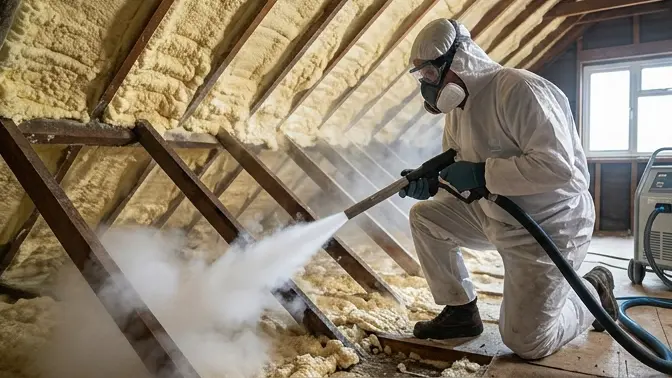
Good spray foam insulation removal starts with inspection, not tools. A proper contractor should identify whether the foam is open cell or closed cell, check the roof timbers, look at the felt and underlay, and work out how the roof was built. Elite Spray Foam Insulation Removal says its process starts with a detailed assessment, then uses dry ice blasting, manual clean-up, and a final inspection with photographs.
That matters because foam insulation over roof decking is not something to attack with a scraper and hope for the best. Dry ice blasting is used because it is non-abrasive and helps lift foam without chewing into the timber or roof surfaces. The company states that this method leaves the roof clear for inspection and reduces the chance of damage during removal.
Why DIY is a bad idea
DIY removal sounds cheap. It usually is not. The foam works deep into joints and gaps, and the roof timber underneath can be damaged very easily if someone uses the wrong method. RICS also warns that spray foam is not easily reversible, so you need independent expertise rather than guesswork from a trader with a sales pitch.
The same applies to anyone searching for insulation removal contractors near me. The cheap quote is rarely the cheap job. Ask how they inspect the roof, how they protect timbers, how they deal with waste, and whether they give you photographic evidence after the work. Elite Spray Foam Insulation Removal says it provides full documentation and a clean roof structure for reinspection.
When spray foam removal roof damage becomes a repair job
Sometimes removal is only half the job. If spray foam moisture trapping has already led to staining, softened timbers, or failed underlay, you may need roof moisture damage repair after the foam comes out. RICS says incorrect insulation can harm ventilation and result in moisture damage, and it also warns that adding insulation to a roof that is not wind and watertight can speed up decay in untreated timber.
That is why roof leak caused by insulation is a real phrase, not a scare line. The foam can hide a leak for months or years. By the time you find it, you may be dealing with roof rot caused by insulation as well as failed felt, stained battens, or damaged board edges. In that case, roof restoration after insulation removal should be planned before the first piece of foam comes off.
What a proper post-removal plan looks like
A sound roof restoration after insulation removal should include exposed timber checks, moisture readings, ventilation review, and a clear decision on whether the roof needs repair before any new insulation goes in. RICS says records and photographs should be kept before, during, and after works, including roof condition, ventilation provision, and moisture readings, because those records can matter later if you sell or remortgage.
That is also where roof structure damage prevention stops being theory. Once the roof is open and visible again, you can actually deal with the issue instead of guessing at it. For many homeowners, that is the first time they know what they really own.
Spray foam removal roof damage and insulation replacement
A lot of people assume the loft must be refilled straight away. That is not always true. Elite Spray Foam Insulation Removal says replacement insulation is not always required, and that in some cases homeowners selling or applying for equity release do not need new insulation right away.
When insulation does need replacing, the energy efficiency roof insulation fix should match the roof, not fight it. RICS says traditional insulation at ceiling level keeps warmth in the living space below, while spray foam turns the roof space into a warm roof void. That means the replacement plan should be based on the property’s layout, ventilation, and condition, not a sales script.
Spray foam insulation replacement options
The right spray foam insulation replacement options usually depend on what the roof is meant to do. In many homes, that means putting insulation back at ceiling level rather than trying to rebuild the same sprayed-up roof. In some cases, a roofer or surveyor may advise a full repair strategy first, then a new insulation plan once the roof is dry and sound. RICS says the whole property has to be considered, because insulation can affect the building as a whole, not just the loft.
What homeowners, landlords, investors, and sellers should do next
If you own a home, the first move is a spray foam roof inspection. Do not wait for the next survey to tell you the roof has a problem. If you are a landlord or property investor, the risk is bigger because a hidden roof issue can hit rent, compliance, and sale value at the same time. If you are selling, get the roof checked before the listing goes live. That saves awkward conversations later.
For a homeowner sale or refinance, point readers to your Residential Spray Foam Insulation Removal Service page. For business premises, use your Commercial Spray Foam Removal page. For roof-specific jobs, link to Flat Roof Spray Foam Insulation Removal Guide, Tile Roof Foam Insulation Removal, and Garage Spray Foam Insulation Removal Safe Guide. These internal links fit the search intent and help people get to the right service faster.
For independent guidance, send readers to the RICS consumer guide on spray foam insulation. It is a solid reference point for homeowners who want a proper view before they spend money on removal or roof repairs.
If you want one clear CTA on the page, make it this. Book a spray foam roof inspection before the damage spreads. Then move to removal only after someone has checked the timber, ventilation, and roof build properly. That is the cleanest route to a safe outcome.
FAQ
Does spray foam always damage a roof?
No. But spray foam can cause serious problems if it is fitted badly, if the roof needs to breathe, or if it hides leaks and timber decay. RICS says incorrect insulation can damage ventilation and lead to moisture damage.
Why do mortgage lenders care so much about spray foam?
Because they need to know the roof timber is sound and that moisture is not trapped where they cannot see it. The UK government review noted lenders had been unwilling to finance properties with spray foam, and RICS says some roof problems can be hidden from view once the foam is in place.
Can spray foam be removed safely?
Yes, but only with the right process. Elite Spray Foam Insulation Removal says it uses dry ice blasting, manual clean-up, and final inspection to protect roof timbers and leave the structure visible again. That is the standard you should expect.
How much does old spray foam removal cost?
It depends on the roof size, the foam type, access, and whether the roof needs repair after removal. Elite Spray Foam Insulation Removal says quotes are based on the property and the work involved, not a fixed one-size-fits-all rate.
Will I need new insulation after removal?
Not always. Sometimes the right move is to leave the roof clear for inspection, repair, or resale. In other homes, the insulation should go back at ceiling level rather than on the roof deck. RICS says the right answer depends on the property design and what the roof space is used for.
What if there is mould or rot under the foam?
That means you need more than removal. You need a roof moisture damage repair plan, timber checks, and probably a new ventilation strategy. RICS warns that hidden leaks can lead to rotting timber, so the roof should be assessed properly before anything is covered back up.
Should I get a survey before I pay for removal?
Yes. An independent spray foam roof inspection is the smart first step. Warwickshire Trading Standards has said homeowners should get independent advice and, if considering removal, obtain a surveyor’s report first.