If you’re a homeowner or property buyer in South West England, you’ve probably heard the growing buzz around spray foam insulation, and not always for the right reasons. Once seen as a modern, energy-efficient way to keep homes warm and airtight, spray foam has recently come under scrutiny from mortgage lenders, surveyors, and insurance providers.
In fact, thousands of homeowners across the UK have discovered that what was meant to improve their property’s energy efficiency has instead hindered their chances of securing a mortgage, remortgage, or even selling their home.
But why does spray foam insulation raise so many red flags with lenders? And what can South West property owners do to protect their investment and keep their homes mortgage-ready?
In this guide, we’ll unpack everything you need to know, from why spray foam can impact mortgage approval to how professional spray foam insulation removal can restore your property’s value and peace of mind.
Why Mortgage Lenders Are Concerned About Spray Foam Insulation
Mortgage lenders are cautious by nature, and rightly so. Their main concern is protecting the property’s value, which acts as security for your loan. When they see spray foam insulation, several red flags can appear on their radar:
1. Potential Structural Damage
Spray foam can sometimes mask problems like damp, timber decay, or roof leaks. Because it adheres directly to rafters and tiles, it makes it difficult (and often impossible) for surveyors to inspect the roof’s condition.
If the underlying wood has begun to rot or trap moisture, the lender sees that as a risk to the property’s structural integrity.
2. Ventilation and Moisture Issues
A home needs to breathe. Unfortunately, spray foam — especially closed-cell — can stop natural airflow through the roof, leading to condensation build-up and mould growth.
Over time, this trapped moisture can weaken rafters or cause hidden damage, something lenders definitely don’t want attached to their investment.
3. Insurance and Valuation Complications
Some insurance companies won’t cover properties with spray foam insulation because of the potential repair costs and uncertainty surrounding its condition. This, in turn, affects the property’s valuation — and a low valuation can easily lead to a mortgage rejection.
Chartered surveyors often flag spray foam as a concern in property condition reports. If your home is flagged, lenders may reduce the loan amount, delay approval, or reject the mortgage entirely—even if the foam was installed professionally.
4. Difficulty in Removing or Replacing
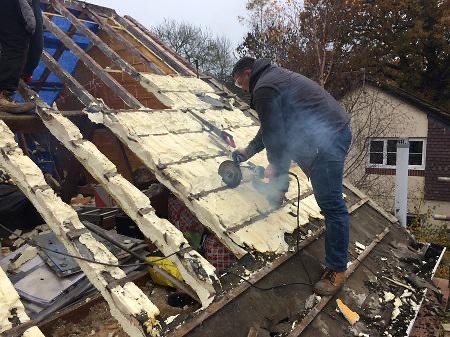
Spray foam doesn’t just peel away — it’s bonded tightly to the roof structure. Removal requires professional equipment and expertise. Lenders worry that if future repairs or roof replacements are needed, they’ll be costly and complex, further reducing the property’s appeal.
5. Moisture Trapping & Timber Rot
Spray foam forms an airtight seal, but this can trap moisture between the foam and wooden roof timbers. Over time, this moisture leads to rot, decay, and structural issues. Mortgage companies are wary of lending on properties that may have hidden damage.
6. Concealment of Roof Damage
Spray foam is sometimes used to hide existing roof problems, such as leaks or structural weaknesses. When applied directly to roofing materials, it prevents proper inspection of the timber underneath—leaving lenders in the dark about the true condition of the property.
7. Fire Safety Concerns
Some types of spray foam are not fire-resistant, or may not meet updated building regulations. If not properly installed with fire barriers or retardants, it can present a fire hazard—something lenders won’t want to be associated with.
8. Difficulties with Future Repairs
Because spray foam adheres strongly to surfaces, repairs or roof replacements become more complicated and expensive. This adds another layer of financial risk for lenders, making your property less desirable from a funding perspective.
Real Stories from the South West England
Across South West England towns like Bristol, Bath, Exeter, and Plymouth, more and more homeowners are finding themselves in a tough spot.
For example, many who installed spray foam years ago (often encouraged by energy-efficiency grants or pushy sales tactics) are now struggling to sell or remortgage their homes.
Surveyors conducting mortgage valuations flag the insulation, and lenders either refuse the mortgage outright or request that the spray foam be removed before proceeding.
Local estate agents report that some buyers are even pulling out of property purchases once they learn about spray foam in the roof — viewing it as a costly and risky feature.
It’s a growing issue across the South West, where many older homes, cottages, and converted barns rely on timber roof structures that are particularly vulnerable to moisture and ventilation problems.
The South West’s Climate Makes It Worse
The South West’s damp, coastal climate doesn’t help.
High humidity and regular rainfall increase the likelihood of moisture getting trapped beneath spray foam insulation — especially in older or poorly ventilated loft spaces.
As a result, homes in Cornwall, Devon, Somerset, and Gloucestershire are more susceptible to damp-related issues, making lenders even more cautious when assessing properties in this region.
The Role of the Surveyor in Mortgage Approval in South West England
When you apply for a mortgage, your lender sends out a chartered surveyor to assess the property’s condition and market value in South West England. Their report determines whether the property is a safe investment for the lender.
If the surveyor spots spray foam insulation, they’re immediately alert to potential issues. In many cases, they’ll recommend a further inspection or even outright advise against lending until the insulation has been professionally removed and the roof structure fully assessed.
Here’s why: spray foam often conceals what’s beneath it, making a proper inspection impossible. Surveyors can’t see if the rafters are damp, decayed, or damaged — so they can’t confirm the structural soundness of the roof.
Without that assurance, the lender sees too much risk.
What Surveyors Look for When They Encounter Spray Foam in South West England
When surveyors visit a property with spray foam insulation, they typically evaluate several key points:
The Type of Foam Installed
Open-cell and closed-cell foams behave differently. Closed-cell foam, being dense and moisture-resistant, can completely block airflow — which raises greater concerns for trapped damp and timber rot.
The Condition of Roof Rafters and Timbers
If visible areas of timber appear discoloured, soft, or mouldy, the surveyor may suspect deeper hidden issues beneath the foam.
Ventilation in the Roof Space
Adequate ventilation is crucial. If air bricks, ridge vents, or eaves ventilation are blocked or absent, that’s a major red flag for condensation risk.
Professional Installation Evidence
Lenders prefer to see paperwork proving that the foam was installed by a certified professional using approved materials. Unfortunately, many installations — especially older ones — were done by companies that no longer exist or operated without proper regulation.
Common Lender Reactions to Spray Foam Insulation in South West England
Mortgage lenders in South West England vary in their policies, but most fall into one of three categories when spray foam is identified:
1. Refusal to Lend
Some lenders, including major high-street banks, automatically reject mortgage or remortgage applications for properties with spray foam insulation — regardless of type or condition. Their stance is based on the high risk of hidden structural damage and uncertain long-term effects.
2. Conditional Approval (Removal Required)
Other lenders will proceed only if the spray foam insulation is removed and the roof is re-inspected by a qualified surveyor. This ensures that the structure is sound and the property value reflects its true condition.
3. Specialist or Limited Lending
In rare cases, a specialist mortgage provider may consider the property but at higher interest rates or reduced loan-to-value ratios, reflecting the perceived risk.
Which Lenders Are Most Cautious?
While policies change over time, most major UK lenders — including Nationwide, Halifax, Santander, HSBC, Barclays, and Lloyds — have issued guidelines advising against lending on homes with spray foam insulation until it’s professionally removed.
Even local building societies in the South West, such as Bath Building Society or Devonshire-based lenders, tend to follow similar cautionary practices.
This means that homeowners in the region who have spray foam installed are often faced with a frustrating reality:
“No mortgage, no sale — unless the insulation goes.”
How Spray Foam Can Affect Your Property’s Value
Beyond mortgage complications, spray foam can also impact the marketability and resale value of your home.
Estate agents in towns across Somerset, Cornwall, and Gloucestershire report that homes with spray foam often sit on the market longer and attract lower offers, as buyers fear the potential cost of removal or roof repairs.
Even if the roof is structurally sound, the mere presence of spray foam creates uncertainty — and uncertainty leads to reduced valuations.
Professional Spray Foam Removal In South West England: The First Step to Mortgage Approval
Here’s the good news: this issue is entirely fixable.
With the help of professional spray foam insulation removal experts, like Elite Spray Foam Insulation Removal, homeowners can restore their property’s mortgage eligibility and protect its long-term value.
Professional removal involves more than just scraping away the foam. Once the foam is removed and the roof passes inspection, lenders typically reconsider applications quickly, and the property’s marketability improves significantly. It requires:
-
Careful assessment of the existing roof and insulation.
-
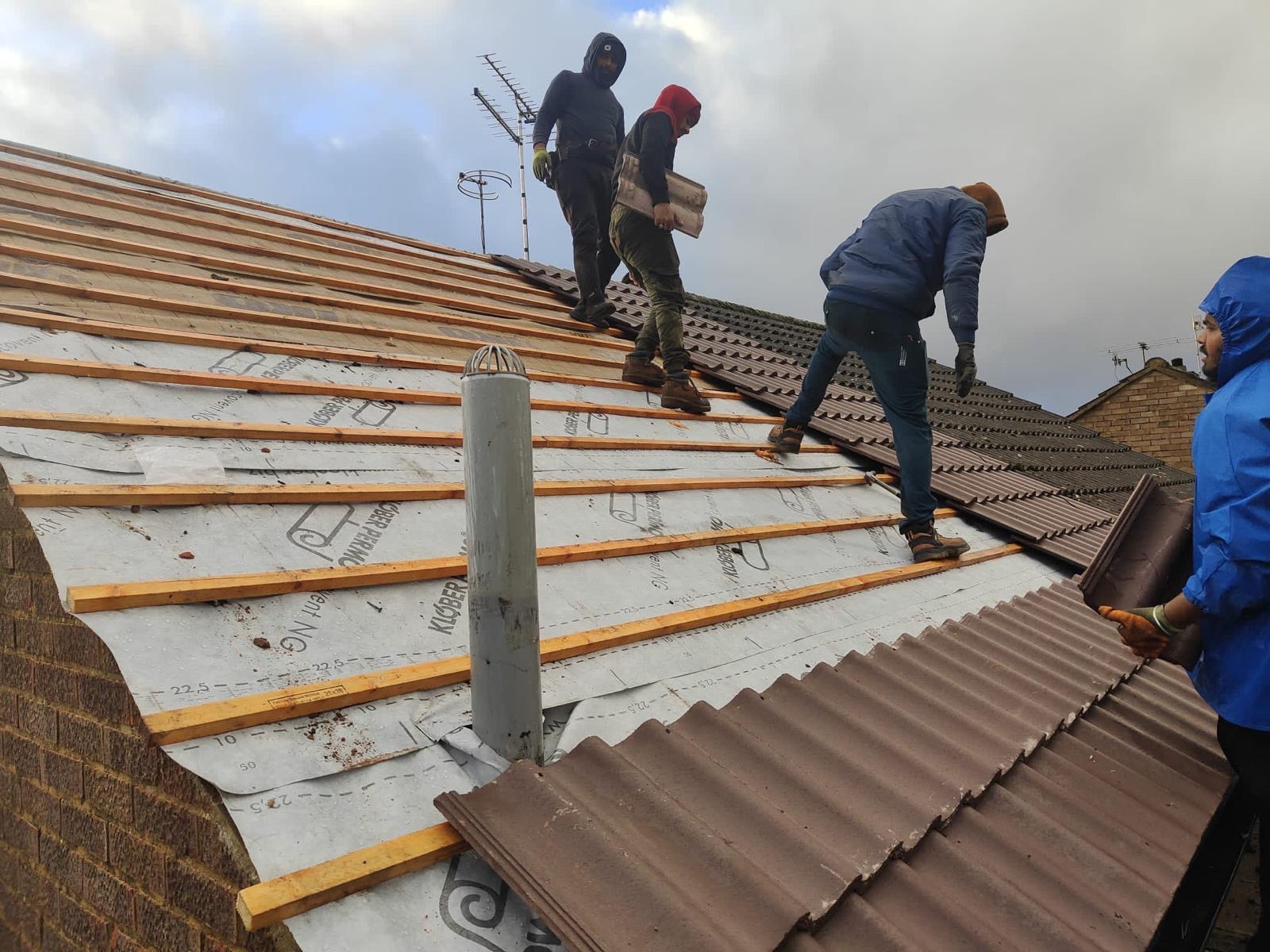
Safe, non-damaging removal techniques to preserve timbers and tiles.
-
Full clean-up and inspection reports that satisfy surveyors and mortgage lenders.
Why DIY Removal of Spray Foam Insulation in South West England Isn’t the Answer?
Before we get into the process, it’s worth addressing one of the biggest misconceptions — that spray foam insulation can be removed easily with a bit of elbow grease and the right tools. Unfortunately, it’s not that simple.
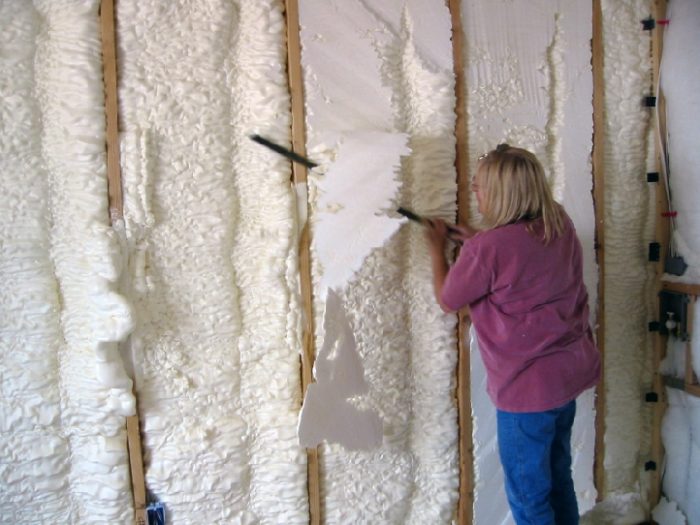
Spray foam adheres firmly to rafters, tiles, and underlay. Trying to chip it away yourself can lead to structural damage, splintered timbers, and broken felt — not to mention health and safety risks if you’re working in a confined loft space.
That’s why mortgage lenders specifically ask for professional spray foam insulation removal. It ensures the process is done safely, thoroughly, and documented properly — giving you the proof you need for your lender or buyer.
Step 1: Inspection and Assessment
The first stage of any removal project is a detailed inspection.
A trained specialist from Elite Spray Foam Insulation Removal will visit your home to:
-
Identify the type of spray foam used (open-cell or closed-cell).
-
Check for moisture damage, timber decay, or roof leaks.
-
Assess access points and plan the safest, most efficient removal route.
This initial survey not only helps determine the scope of work but also provides a clear understanding of the roof’s condition before removal begins.
Step 2: Safe and Controlled Foam Removal
Once the plan is in place, technicians carefully begin removing the spray foam using specialist tools and extraction equipment.
The process typically involves:
-
Mechanical and manual removal to gently lift and scrape foam away from timbers and tiles.
-
Dust and debris control using industrial vacuums and protective sheeting.
-
Ventilation measures to maintain airflow and minimise airborne particles.
Experienced professionals know how to remove the foam without damaging your roof structure — preserving the integrity of rafters, felt, and insulation layers beneath.
Step 3: Timber and Roof Inspection
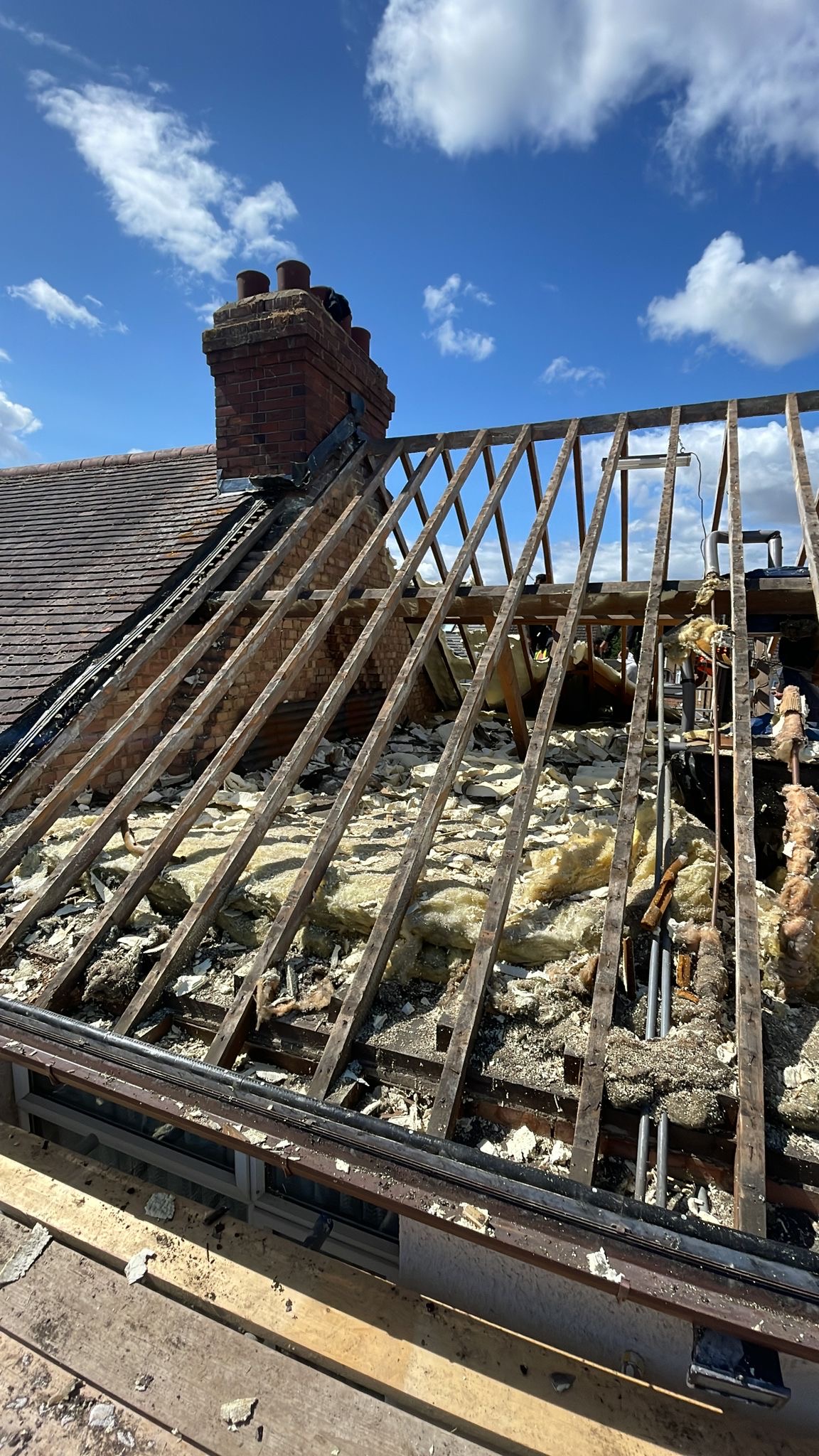
After all the spray foam is removed, a thorough inspection is carried out to check the condition of the roof structure, timbers, and underlay.
This step is vital because it:
-
Confirms that no moisture or rot has compromised the structure.
-
Identifies any areas needing repair before the property is revalued.
-
Provides evidence for lenders and surveyors that the roof is now visible, sound, and free from concealed damage.
Homeowners often receive a report or photographic record as part of this stage — a valuable document to present during mortgage or remortgage applications.
Step 4: Clean-Up and Optional Re-Insulation
Once removal and inspection are complete, the work area is fully cleaned and left safe for future work or re-insulation.
At this stage, some homeowners choose to install a more traditional insulation type, such as:
-
Mineral wool or fibreglass rolls
-
Rigid insulation boards (PIR/PUR)
-
Natural wool or cellulose insulation
These options are breathable, mortgage-friendly, and compliant with building regulations — ensuring your roof space remains efficient and acceptable to lenders.
Step 5: Certification and Lender-Ready Documentation
Finally, professional companies like Elite Spray Foam Insulation Removal provide documentation confirming that the spray foam has been safely removed and the roof fully inspected.
This proof gives surveyors and mortgage lenders confidence that the property:
-
Is free from hidden defects
-
Has an accessible, breathable roof structure
-
Meets the conditions required for lending approval
Many South West homeowners have found that, with this documentation, lenders are quick to resume mortgage applications, and estate agents can remarket properties without hesitation.
How Long Does Spray Foam Removal Take?
The duration of removal depends on factors like:
-
The size of your roof or loft space
-
The thickness and type of foam applied
-
Accessibility and safety requirements
However, most residential removals in South West homes are completed in 1–3 days, followed by inspection and clean-up. Larger or more complex properties may take slightly longer.
The Immediate Benefits of Professional Removal in South West England
Once spray foam insulation is gone, homeowners usually notice benefits straight away:
✅ Mortgage and saleability restored: Lenders and buyers can move forward with confidence.
✅ Improved ventilation: Your roof can “breathe” again, reducing condensation risks.
✅ Peace of mind: You know your roof structure is sound and visible.
✅ Healthier indoor environment: No trapped moisture or hidden mould behind foam.
A Local Solution for South West Homeowners
Here in South West England, homes often face added challenges — older roof structures, coastal weather, and high humidity levels. That’s why it’s crucial to work with a local expert who understands these unique conditions.
Elite Spray Foam Insulation Removal provides services across Cornwall, Devon, Somerset, Gloucestershire, Bristol, and surrounding areas of South West England, ensuring each property receives the right care and advice for the local climate and construction type.
Why Professional Spray Foam Removal Helps Secure Mortgage Approval Faster in South West England
For many homeowners across South West England, the biggest motivation for spray foam insulation removal is clear: to get their mortgage approved or sell their home smoothly.
Once the foam has been professionally removed and a certified inspection is complete, your property becomes lender-friendly again. Here’s why:
-
Transparency Returns
The roof structure is now visible and verifiable. Surveyors can inspect rafters, felt, and timbers directly — eliminating any “unknowns” that lenders dislike. -
Risk Is Reduced
With proof of removal and a clean bill of health from your roof inspection, the perceived risk to lenders drops dramatically. -
Property Value Is Restored
Without spray foam holding it back, your property can be valued at its true market worth — often recovering thousands of pounds in lost equity. -
Insurance Becomes Easier
Many insurers refuse to cover homes with spray foam insulation. Once it’s removed, your home once again meets standard insurance criteria.
Tips for Homeowners Preparing for a Mortgage or Remortgage in South West England
If you’re in the South West and planning to apply for a mortgage, remortgage, or sell your property, here are some practical steps to make the process smoother:
1. Arrange a Pre-Inspection Early
Book a roof assessment before contacting lenders. A professional inspection from a company like Elite Spray Foam Insulation Removal can confirm whether spray foam removal is necessary and provide an honest, transparent report.
2. Keep All Documentation Handy
Mortgage lenders and surveyors love paperwork. Keep any installation, removal, or inspection certificates ready — they demonstrate that your property is safe and properly maintained.
3. Choose the Right Removal Company
Always work with experienced, accredited specialists who can provide:
-
Evidence of insurance and safety compliance
-
Detailed before-and-after photos
-
A written report for mortgage or valuation purposes
Avoid companies offering cheap, fast removal without proof — it can cause more harm than good.
4. Don’t Wait Until the Last Minute
If your property has spray foam insulation, don’t delay removal until you’re mid-way through a mortgage application. Lenders may pause or reject your case, leading to lost deals or higher costs later.
How to Choose a Trusted Spray Foam Removal Company in the South West
When selecting a spray foam removal specialist, consider these key qualities:
-
Local Expertise: Choose a team familiar with South West homes and climate conditions, from Cornish cottages to modern Somerset builds.
-
Experience & Certification: Ensure technicians have a proven track record in safe spray foam removal and roof restoration.
-
Comprehensive Service: Look for a company that provides inspection, removal, clean-up, and documentation all under one roof.
-
Positive Reviews & Testimonials: A reliable firm will have strong local feedback and transparent customer satisfaction ratings.
That’s where Elite Spray Foam Insulation Removal stands out — combining technical skill with genuine care for local homeowners.
The Cost of Removal vs. The Cost of Inaction
Many homeowners hesitate to remove spray foam because of perceived cost. However, leaving it in place can actually cost far more in the long run.
Here’s why:
-
You could lose a sale or have buyers withdraw.
-
Your property might fail mortgage approval, forcing delays or rejections.
-
You risk hidden timber decay or roof damage if moisture is trapped.
By contrast, investing in professional removal offers long-term peace of mind, restored property value, and immediate access to mortgage and insurance options.
Reclaim Control Over Your Property’s Future in South West England
Whether you live in Devon, Cornwall, Somerset, Dorset, Wiltshire, Bristol, or Gloucestershire, spray foam insulation doesn’t have to stand between you and your home’s full potential.
With expert help from Elite Spray Foam Insulation Removal, you can:
-
Eliminate the risks tied to outdated spray foam
-
Restore confidence with lenders and buyers
-
Protect your home’s long-term health and value
So if you’re preparing for a mortgage, remortgage, or property sale — don’t wait. Take the proactive step to inspect and remove spray foam insulation before it causes bigger headaches.
Spray foam insulation may have been installed with good intentions, but times — and lender policies — have changed. Today, the safest route for South West homeowners is clear:
Professional spray foam insulation removal means fewer risks, smoother mortgage approvals, and a stronger property future.
Elite Spray Foam Insulation Removal is here to help you navigate the process with expertise, honesty, and care — from inspection to certification.
Your home deserves to be safe, breathable, and fully mortgage-ready.
Let’s make that happen together.