If you’ve found spray foam insulation in your roof or loft and you’re wondering what happens during removal, you’re not alone. Many homeowners across South West England are facing the same situation, often after issues arise with ventilation, damp, or even mortgage approval.
Elite Spray Foam Insulation Removal believes in making the process as simple, stress-free, and transparent as possible. Here’s a clear breakdown of what you can expect when you choose professional spray foam insulation removal.
1. Initial Inspection and Assessment
The first step is a detailed site survey by experienced technicians. During this stage, the team will:
-
Assess the condition of the insulation.
-
Identify which areas (e.g., loft, roof, cavity walls) are affected.
-
Determine the type of spray foam used (open-cell or closed-cell).
-
Look for signs of timber rot, moisture damage, or ventilation blockages.
Why it matters: This helps develop a tailored removal plan, estimate costs, and minimize damage to structural elements.
2. Preparation of the Site
Before removal begins, your property is prepared to ensure safety and cleanliness. This includes:
-
Laying protective sheets to catch debris.
-
Sealing off unaffected areas.
-
Ensuring proper ventilation to avoid inhaling particles.
-
Wearing PPE (Personal Protective Equipment).
Tip for homeowners: You may be advised to vacate the area or home during this stage, depending on the size of the job.
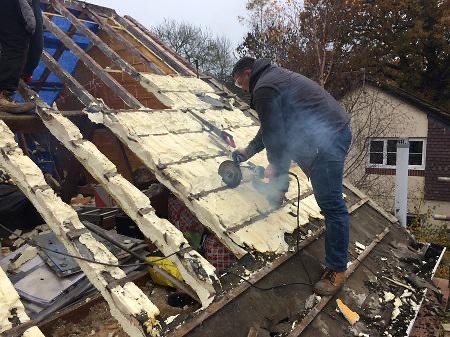
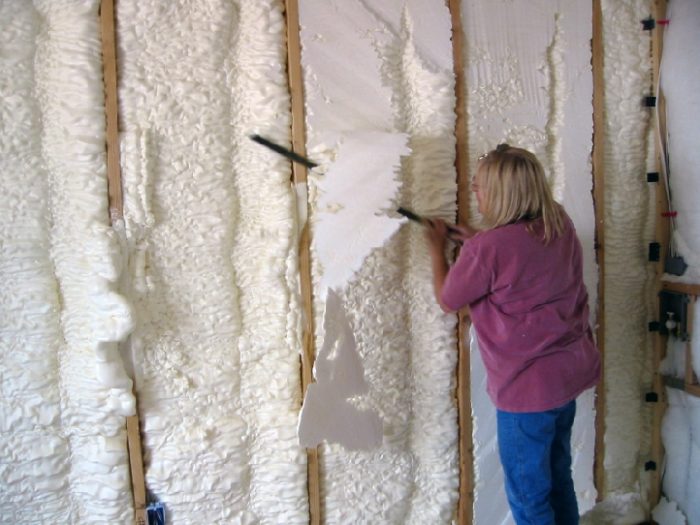
3. Manual & Mechanical Removal
Spray foam insulation is physically removed using specialized tools:
-
Manual scraping: Technicians carefully chip away the foam using hand tools.
-
Mechanical cutting or sanding: For dense or hard-to-reach areas, machinery may be used.
-
Heat or solvents (if necessary): In rare cases, additional techniques help loosen the foam.
Important note: Spray foam adheres tightly to surfaces, so removal must be done cautiously to avoid damaging roof timbers or structural elements.
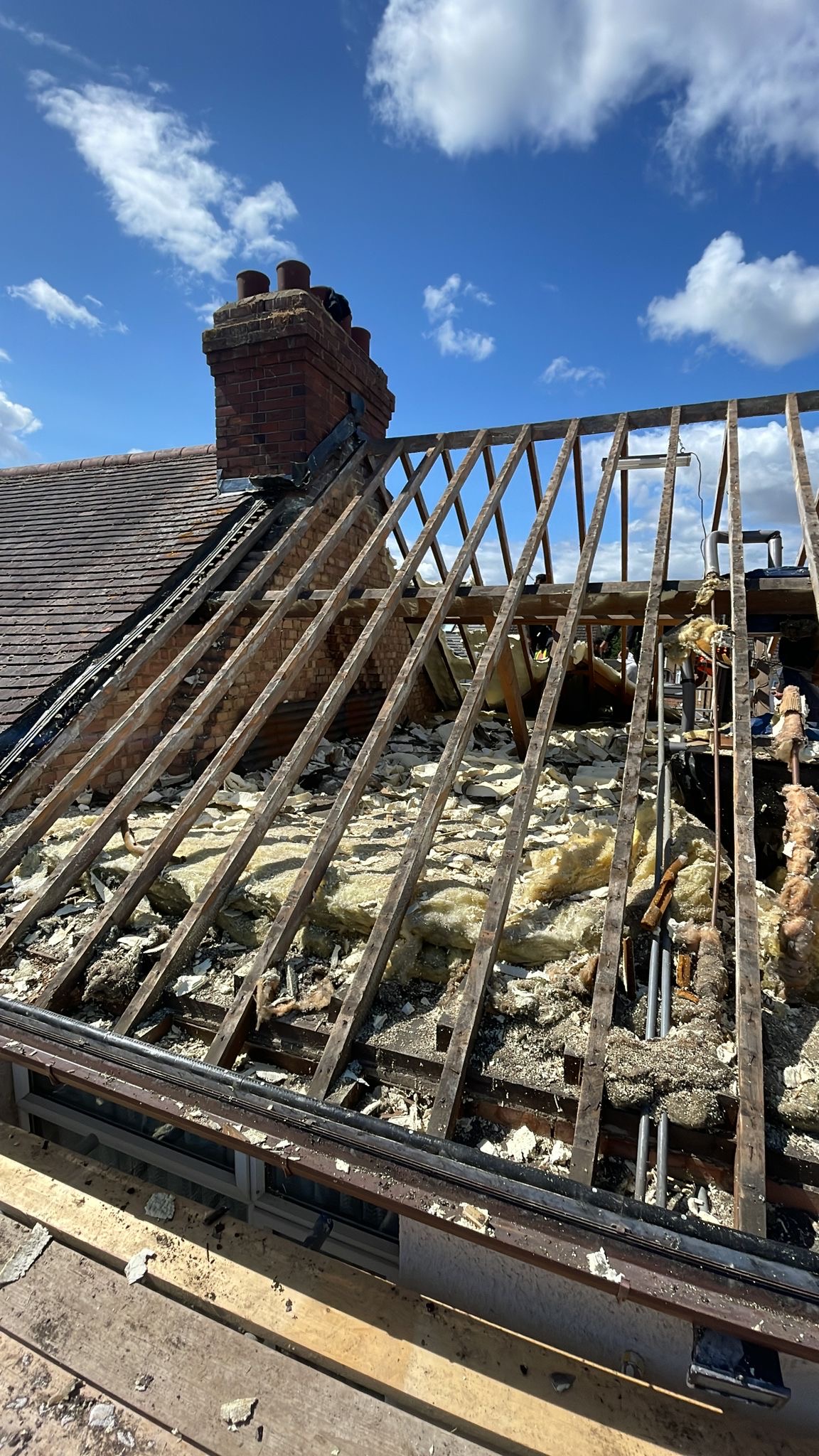
4. Damage Check & Timber Inspection
Once the foam is removed, technicians inspect the underlying surfaces for:
-
Wood rot or mold
-
Moisture retention
-
Ventilation issues
-
Pest or insect damage
If any damage is found, it may need to be repaired before proceeding to re-insulation.
5. Surface Cleaning and Disposal
After removal:
-
All foam particles and dust are vacuumed and cleaned.
-
Old insulation materials are disposed of responsibly in compliance with waste regulations.
-
Surfaces are treated (if needed) to prevent mold or moisture damage.
6. Optional: Re-insulation Recommendation
Now that the spray foam is gone, your contractor may recommend a safer, mortgage-approved insulation material like:
-
Mineral wool
-
Sheep’s wool
-
Fibreglass rolls
These alternatives are breathable, fire-resistant, and do not interfere with mortgage approvals.
Why Choose Professional Spray Foam Insulation Removal?
Removing spray foam isn’t just about pulling out old material, it’s about protecting your property. Professional removal ensures:
-
No structural damage to your roof or loft
-
Safe handling and disposal of materials
-
Compliance with mortgage lender or surveyor requirements
-
A clean, fresh start for future insulation projects
Elite Spray Foam Insulation Removal has helped countless homeowners and business owners across Somerset, Dorset, Devon, and Wiltshire reclaim healthy, breathable roof spaces.
Final Words: Trust the Experts
The spray foam insulation removal process might sound daunting, but with the right team, it’s a smooth and straightforward experience. From inspection to clean-up, every step is designed to keep your property safe, efficient, and mortgage-ready.
If you’re in South West England and suspect your spray foam insulation is causing problems, or you simply want it removed safely, get in touch with Elite Spray Foam Insulation Removal today.
We’ll guide you through every step with honest advice, professional service, and complete peace of mind.