
Tile Roof Foam Insulation Removal fixes serious issues in pitched roofs across the UK. Homeowners, landlords, investors and sellers face hidden damage from spray foam applied to tile roofs. This article explains the problems, the impact on sales and mortgages, and the safe removal process that licensed contractors use. You gain clear facts and practical steps to restore your loft and protect your property.
Understanding Tile Roof Foam Insulation Removal Problems
Spray foam insulation creates major risks when installers apply it directly to the underside of tiles or roof timbers. The foam seals gaps and stops natural airflow that tile roofs need. Moisture builds up against the wood. This leads to condensation and timber rot. The Health and Safety Executive report from 2024 confirms high risk of decay in sloped roofs when foam contacts tiles or high-resistance underlays. Closed-cell foam expands and contracts with temperature changes. This movement stresses roof timbers and can crack tiles from below. Open-cell foam still traps vapour in many installations. Both types hide the roof structure. Surveyors cannot inspect timbers during valuations. The result is damp, mould and structural weakness that appears years later.
Many properties now show these foam insulation problems. Rot weakens rafters. Tiles shift or break. Repair costs rise fast if owners ignore the issue. Professional foam removal stops the damage before it spreads.
Mortgage and Property Sale Issues Caused by Spray Foam
Tile roof foam insulation removal has become essential for property transactions. Major UK lenders refuse mortgages on homes with spray foam on the roof. In 2024, one quarter of the largest lenders rejected such properties outright. TSB, Skipton Building Society, Co-operative Bank, Principality and Aviva will not lend. Others such as Yorkshire Building Society and Metro Bank lend only in limited cases. Buyers cannot secure finance. Sellers watch offers fall through or drop by £20,000 to £50,000. Insurance companies raise premiums or deny cover when foam hides potential rot. Equity release lenders also refuse. Even correct installation papers rarely help. Lenders demand proof that the foam is gone and the roof is sound.
Property investors and landlords lose rental income while properties sit unsold. Sellers who act early complete deals faster. Removal plus certification satisfies most lenders and restores full market value.
Why DIY Tile Roof Insulation Removal Fails
Homeowners sometimes try to remove foam themselves to save money. Hand tools damage timbers and tiles when used without skill. Dust and chemical particles spread through the home. Incomplete removal leaves residue that continues to trap moisture. Mortgage lenders reject DIY work. They require certified professional records. Safe insulation removal methods demand controlled access, full containment and specialist equipment. Licensed contractors follow strict safety rules. They protect your living space and deliver documentation that lenders accept.
The Professional Spray Foam Removal Process
Experts follow a clear spray foam removal process for tile roofs. The steps keep your roof intact and deliver clean results.
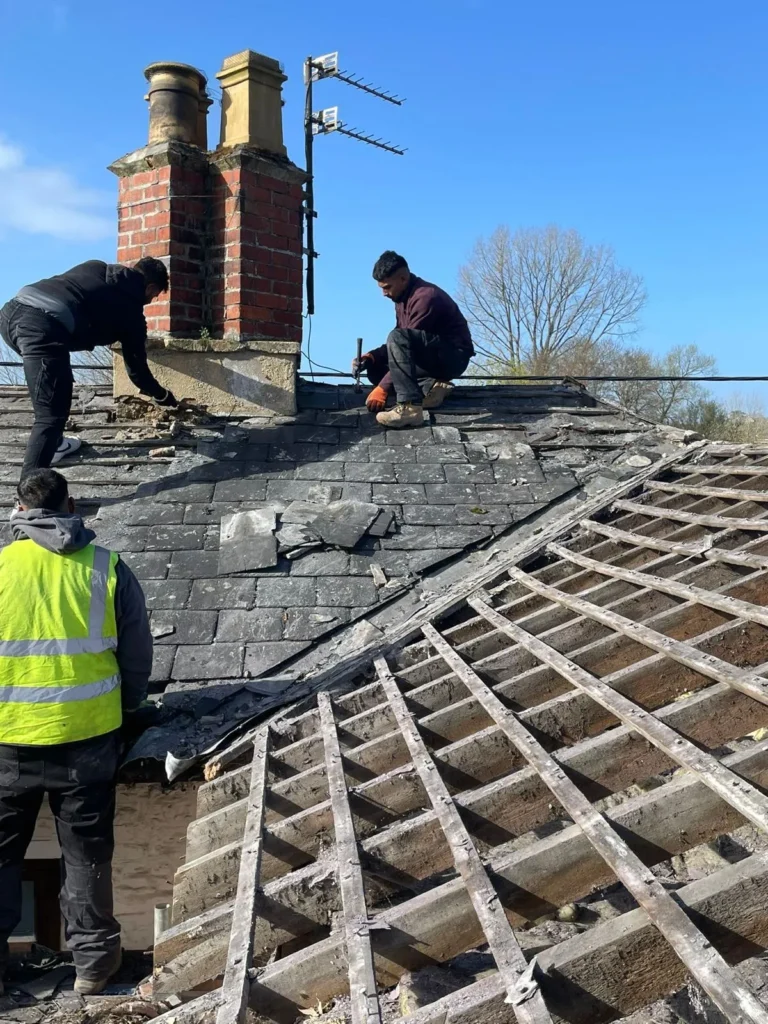
- Site survey: Contractors inspect the loft, measure foam coverage and check for rot or tile damage.
- Preparation: They seal the loft hatch, lay protective sheets and set up dust extraction.
- Manual removal: Teams use scrapers, chisels and hand tools only. Power tools stay banned because they harm timbers. For denser closed-cell foam they may use approved dry-ice methods that fracture the foam without abrasion.
- Thorough cleanup: Vacuum systems remove every particle of dust and debris from tiles, battens and joists. Roof cleaning after insulation removal leaves the space ready for new breathable insulation.
- Inspection and repair: Specialists check timbers and tiles. They carry out tile roof repair after foam removal where needed.
- Certification: You receive a detailed report, photos and guarantees that lenders and surveyors accept.
The entire job takes one to three days for a typical three-bedroom house. Residential roof insulation removal restores ventilation and breathability that tile roofs require.
Foam Insulation Removal Cost for UK Homes
Foam insulation removal cost depends on roof size, foam type and access. A standard three-bedroom detached property with 80 square metres of roof costs around £3,200 on average. Open-cell foam starts at £52 per square metre. Closed-cell foam costs from £70 per square metre because it needs extra effort. Waste disposal adds a fixed fee of about £150. Quotes include full cleanup, certification and protection. Early removal keeps costs lower than emergency roof repairs later. Contact Elite Spray Foam Insulation Removal for a free survey and exact price for your tile roof.
Roof Restoration Service After Foam Removal
Tile roof maintenance improves after foam leaves. Contractors often recommend roof restoration service to replace any damaged battens or underlay. They install modern breathable membranes that meet current building regulations. New insulation options such as mineral wool or rigid boards allow proper airflow. You gain a dry, ventilated loft. Energy bills stay controlled without the risks foam created. Professional teams handle attic foam removal and full restoration in one visit where possible.
Why Choose Licensed Insulation Contractors
Licensed insulation contractors hold proper training and insurance. They follow HSE guidance and deliver work that passes building control checks. Elite Spray Foam Insulation Removal operates as removal specialists across the South West. Our teams use only approved methods that protect tiles and timbers. We focus on eco-friendly insulation removal where possible. Waste goes to licensed facilities. We replace foam with sustainable materials that support UK net-zero goals. Property owners receive clear advice and transparent pricing.
Industry Insights from UK Experts
The 2024 HSE research highlights that foam applied directly to tiles carries the highest risk of timber decay in both London and Newcastle climates. Government guidance stresses proper ventilation under Approved Document F and moisture control under BS 5250. Many older installations fail these standards. Removal now forms the safest route for long-term roof health. Surveyors and lenders continue to tighten rules in 2026. Properties without foam sell faster and attract better offers. Investors who remove foam early protect their portfolios.
FAQ’s
What is tile roof foam insulation removal?
Tile roof foam insulation removal extracts spray foam from the underside of roof tiles and timbers. Professionals use hand tools to clear every trace without damage.
How much does foam insulation removal cost?
Costs range from £2,000 to £14,000. A typical three-bedroom home falls around £3,200. Exact prices depend on roof area and foam type.
Will removal fix my mortgage problems?
Yes. Certified removal satisfies most UK lenders. You receive documentation that proves the roof meets valuation standards.
Can I remove spray foam without damage to tiles?
Yes. Licensed contractors use safe insulation removal methods and manual techniques that protect tiles and timbers.
How long does the spray foam removal process take?
Most jobs finish in one to three days. The team cleans the loft completely on the final day.
Is eco-friendly insulation removal available?
Yes. Specialists dispose of foam responsibly and install breathable, sustainable replacements.
Do you serve South West England?
Yes. We provide tile roof foam insulation removal throughout the South West.